


 English
 Pусский
| Bag Width Range | 80-240 mm | Weight | 1500 kg |
| Bag Length Range | 150-370 mm | Total power | 3.02 kw |
| Filling weight | ≤ 1500g | Compress air | ≥ 0.4 m³/min |
| Max Speed | ≤ 60 bags/min | Dimensions | 1860 mm*1520 mm*1550 mm |


A single dropped pouch can cost you more than just a few seconds of line stoppage. When a premade pouch fails to open or a seal doesn't hold, the result is product spill, packaging waste, and a cascade of operator intervention that eats into your OEE. Often, the root cause isn't a design flaw—it's that small, recurring maintenance tasks slip through the cracks until they become big problems.
A Rotary Premade Pouch Fill Seal Machine runs on precise mechanical timing and pneumatic consistency. When grippers lose grip, sealing bars drift out of calibration, or vacuum cups harden, the entire rotary rhythm falters. The following seven tips come from packaging line reality: they are the tasks that maintenance managers say make the biggest difference between a machine that runs predictably and one that keeps you up at night.
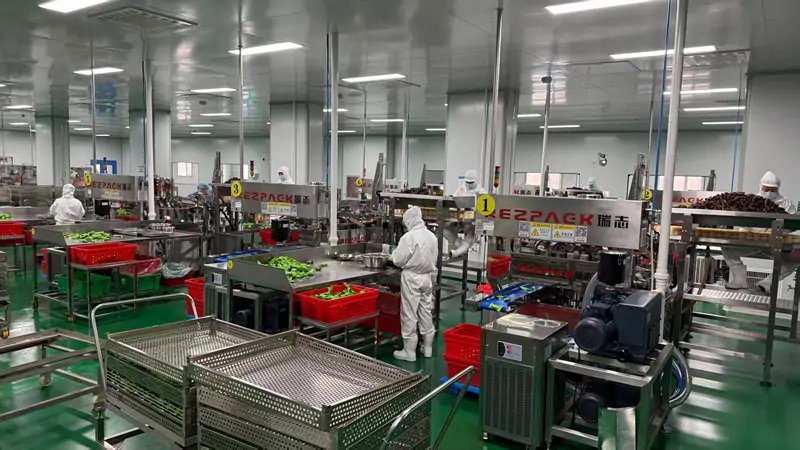
Product dust, film residue, and even ambient humidity can coat the grippers that hold pouches as they index through the rotary stations. Over time, this buildup reduces friction and leads to misaligned pouches or dropped pouches at the filling station. Use a lint-free cloth and isopropyl alcohol to wipe each gripper pair at the end of every shift. Pay special attention to the grippers that handle the pouch bottom—these collect the most debris. For vacuum pick-up cups that separate the pouch from the magazine, inspect for cracks and stiffness; a cup that has lost flexibility won't achieve a reliable vacuum seal, causing missed picks.
The rotary turret’s cam followers and the indexing gearbox require consistent lubrication, but over-greasing is a fast track to attracting dust and creating a paste that accelerates wear. Follow the OEM recommendation for grease type—typically a high-quality lithium complex grease for cam followers—and use a calibrated grease gun to deliver no more than two strokes per fitting unless the manual specifies otherwise. Establish a tiered schedule: weekly for high-cycle cam followers, monthly for indexer bearings, and quarterly for auxiliary drive chains. Document the colour and consistency of purged grease to spot early bearing wear.
This is where machine accessibility really matters. If lubrication points are hidden behind panels that require tools to remove, technicians will skip them. You can explore pouch packaging designs that prioritise easy maintenance access to see how a thoughtful layout reduces routine care time.
Seal integrity is non-negotiable, yet seal bar temperature drifts for many reasons: thermocouple ageing, ambient temperature swings, or even voltage fluctuations. A bar that's 5°C too cool produces weak seals; 10°C too hot can burn through the film and create pinhole leaks. Use a calibrated surface temperature probe—not just the controller readout—to measure the actual bar temperature at three points (left, centre, right) and compare against the setpoint. If you find a variation greater than ±2°C, recalibrate the controller or check the heating element continuity. ISO 11607-2 for medical packaging provides a useful framework for seal strength validation, even if you're packaging food or other products.
The blast of air that opens a premade pouch before filling relies on a clean, dry air supply. Moisture or oil in the compressed air can contaminate the pouch interior and clog the small nozzles. Drain the air filter bowl daily if it’s not auto-draining, and replace the filter element every three months—or more often in humid environments. Also, check that the air knives or nozzles haven't shifted position; a misaligned air jet can cause the pouch to open only partially, leading to short-fills or product on the seal area.
Beyond the pick-up cups, the vacuum system includes hoses, manifolds, and the vacuum pump itself. A small leak anywhere reduces holding force and can cause intermittent pouch drops that are hard to diagnose. Once a month, use a vacuum gauge to test the level at the cup face and compare it to the pump’s rated capacity. A drop of more than 10% indicates a leak. Common culprits: cracked hose barbs, loose clamps, or a worn pump vane. Proactive vacuum care can prevent the sort of phantom faults that frustrate operators and slow the line.
Rotary pouch fillers rely on servos for precise indexing and filling. A motor running hotter than usual—check with a handheld IR thermometer—can signal bearing degradation or an overload condition caused by mechanical binding elsewhere. Listen for changes in pitch during indexing; a rhythmic knocking may point to a failing coupling. Many modern drives log error codes and temperature history; make it a weekly habit to review these logs. A gradual temperature rise over weeks is a leading indicator that you can address during planned downtime rather than in an emergency.
If you're dealing with frequent drive alarms or inconsistent positioning, the root cause may go beyond maintenance—it might be a control system that struggles with the specific pouch format or fill speed you're running. In that case, see how intelligent motion control in today's pouch filling machines reduces positioning drift and contributes to longer mechanical life.
Dust and moisture inside control panels cause corrosion on terminals and can lead to intermittent signal loss. Vacuum the enclosure interior every quarter—never use compressed air, which can blow debris deeper into components. Check all terminal screws for tightness, especially on relay and contactor connections, as vibration loosens them over time. Verify that the enclosure door gasket seals properly to maintain the IP rating; a failed gasket in a washdown area invites disaster.
Treating maintenance as a checklist rather than a feedback loop. The best-run packaging lines don’t just perform these tasks—they trend the data they generate. Logging seal bar temperature readings, vacuum levels, and grease purge conditions over time reveals patterns that single-point checks miss. A seal temperature that creeps up 0.5°C per month tells you a heater cartridge is on its way out six months before it fails. That’s the difference between a scheduled 30-minute swap and a two-hour reactive repair that trashes a batch of pouches.
The seven tips above form a practical routine that doesn't demand exotic tools or massive engineering resources—just consistency and attention to detail. What changes the game is when the equipment itself is built to make these tasks obvious and accessible. If you're running a line where even simple cleaning requires a Tetris game of guard removal, you're fighting the design every day.
Achieving reliable pouch packaging output is ultimately a combination of good maintenance habits and the right machine foundation. If you’re evaluating whether your current setup is holding you back, you can review the premade pouch filling options available from UnionPack to see configurations that align with both your maintenance philosophy and your production targets.
*References: ISO 11607-2 provides guidance on seal strength testing for medical packaging, the principles of which apply broadly to pouch integrity. Grease selection best practices draw from major bearing manufacturer documentation. Always defer to your machine’s OEM manual for specific maintenance intervals and safety procedures.*
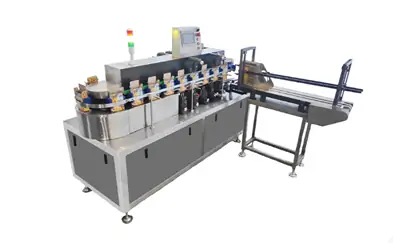

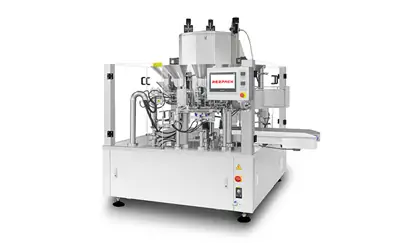
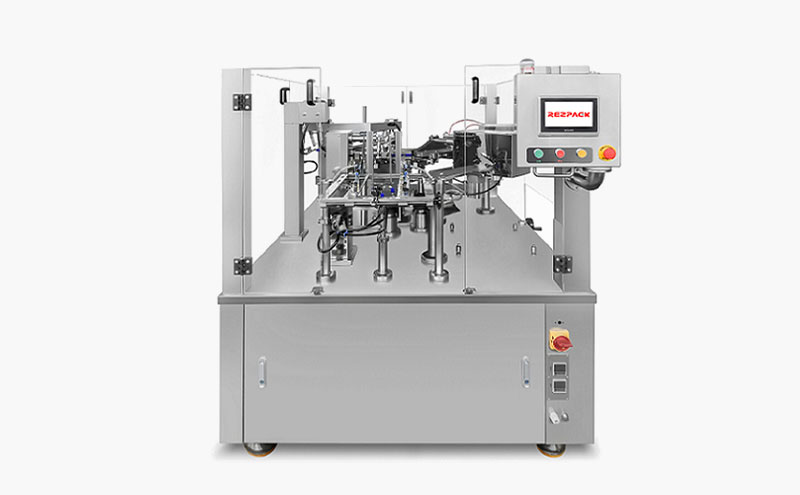
| Bag Width Range | 80-240 mm | Weight | 1500 kg |
| Bag Length Range | 150-370 mm | Total power | 3.02 kw |
| Filling weight | ≤ 1500g | Compress air | ≥ 0.4 m³/min |
| Max Speed | ≤ 60 bags/min | Dimensions | 1860 mm*1520 mm*1550 mm |
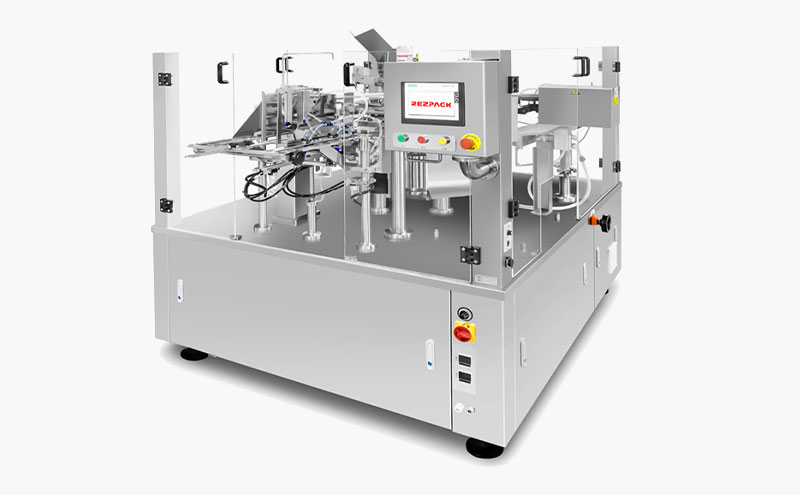
| Bag Width Range | 180-300 mm | Weight | 1800 kg |
| Bag Length Range | 150-450 mm | Total power | 3.62 kw |
| Filling weight | ≤ 2500 g | Compress air | ≥ 0.4 m³/min |
| Max Speed | ≤ 50 bags/min | Dimensions | 2080 mm*1720 mm*1650mm |
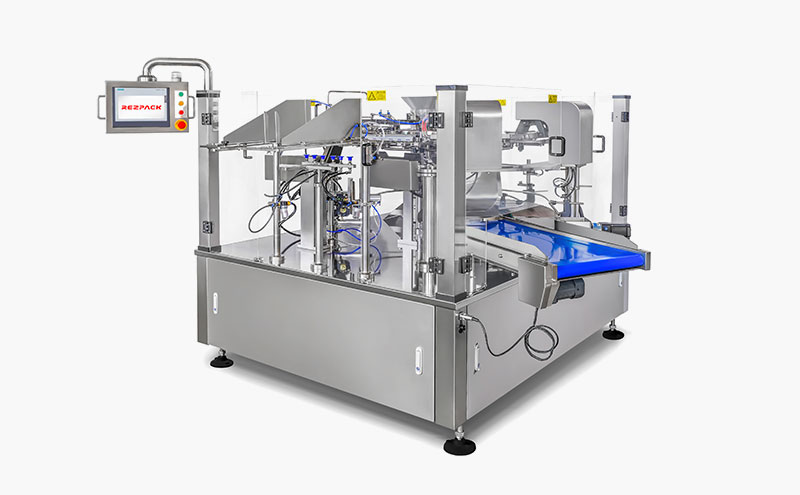
| Bag Width Range | 270-400 mm | Weight | 2500 kg |
| Bag Length Range | 150-600 mm | Total power | 3.62 kw |
| Filling Range | ≤ 5000g | Compress air | ≥ 0.4 m³/min |
| Max Speed | ≤ 30 bags/min | Dimensions | 2150 mm*2020 mm*1700 mm |