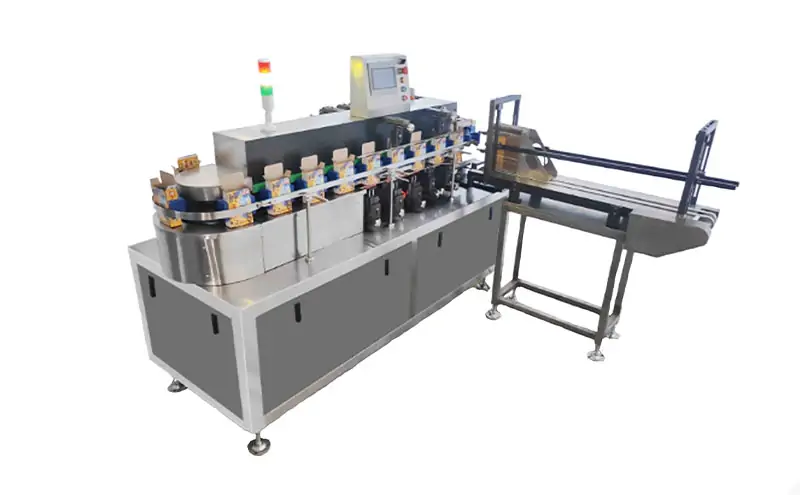
Box Packing Solution: Efficient, Flexible, and Automated Packaging for Various Industries

In today’s fast-paced production environment, packaging solutions need to be reliable, efficient, and adaptable to various product types. Whether you're in the daily necessities, cosmetics, pharmaceuticals, food, or stationery industries, having a robust and versatile packaging solution is essential. That’s where our Box Packing Solution comes in—providing streamlined, automated packaging for a wide variety of products and packaging requirements.

What is a Box Packing Machine?

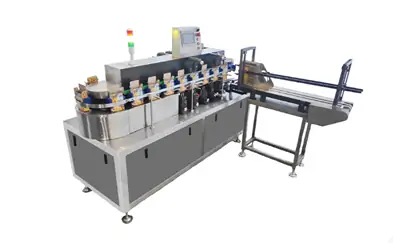
A Box Packing Machine, also known as a carton packing machine, cardboard packing machine, case packer machine, or tape packing machine, is an intelligent, automatic system designed to pack unpacked products or small pre-packaged items into transport cartons or boxes. Unlike traditional manual packing, this solution automates the process, improving efficiency, reducing labor costs, and ensuring consistent product quality.

How It Works:

Our Box Packing Machines are equipped with high-speed distribution devices that automatically load various products into boxes, ensuring they are securely packed and ready for shipment. The machine typically includes the following functions:

1.Carton Forming/Opening: The machine automatically forms and opens the carton boxes, eliminating the need for manual labor in setting up the containers.

2.Product Sorting and Loading: Products are automatically sorted and loaded into the open cartons in a specific arrangement and quantity.

3.Carton Sealing: Once the products are loaded, the machine seals the carton with adhesive tape or another sealing mechanism to secure the contents.

4.High-Speed and Efficient: The system ensures that products are packed quickly and efficiently, reducing bottlenecks in your production line.

Key Features of Our Box Packing Solution:

●Flexible Application: Our Box Packing Machines are designed to handle a wide range of products. From plastic flat bottles, round bottles, and irregularly shaped containers to glass bottles, square cans, and paper cans, the machine can accommodate different packaging sizes and shapes.

●Automatic Sorting: The machine can automatically sort the products before packing, streamlining the entire packing process.

●Compact and Space-Saving Design: With a novel and compact structure, our box packing solutions are designed to maximize space in your production facility while maintaining high efficiency.

●User-Friendly Control System: The machine is controlled by PLC (Programmable Logic Controller) and features a touchscreen interface, making it simple to operate and adjust settings. The intuitive controls ensure that even new operators can use the system with minimal training.

●Safety Features: Our Box Packing Machines come with built-in safety mechanisms, including an alarm stop for missing bottles and a no bottle, no packing safety device. These features ensure the integrity of your product and prevent waste during the packing process.

●Ease of Integration: Our machines are designed to work seamlessly with your existing production line. Whether you need to integrate with automated filling machines, labeling systems, or conveyor belts, our Box Packing Solution is adaptable to your workflow.

Advantages of Our Box Packing Solutions:

●Increased Productivity: By automating the packing process, our solution allows you to significantly increase production speed, reducing labor costs and minimizing the risk of human error.

●Consistent Quality: With high-precision technology, each carton is packed uniformly, ensuring that your product is consistently presented to customers.

●Easy Maintenance: The simplified transmission system and PLC-controlled operations ensure that the machine has low maintenance requirements and high reliability, reducing downtime and maintenance costs.

●Cost-Effective: Automated packing reduces manual labor, speeds up the process, and minimizes packing material wastage, resulting in substantial cost savings over time.

Applications:

Our Box Packing Machines are highly versatile and can be used across a wide variety of industries, including:

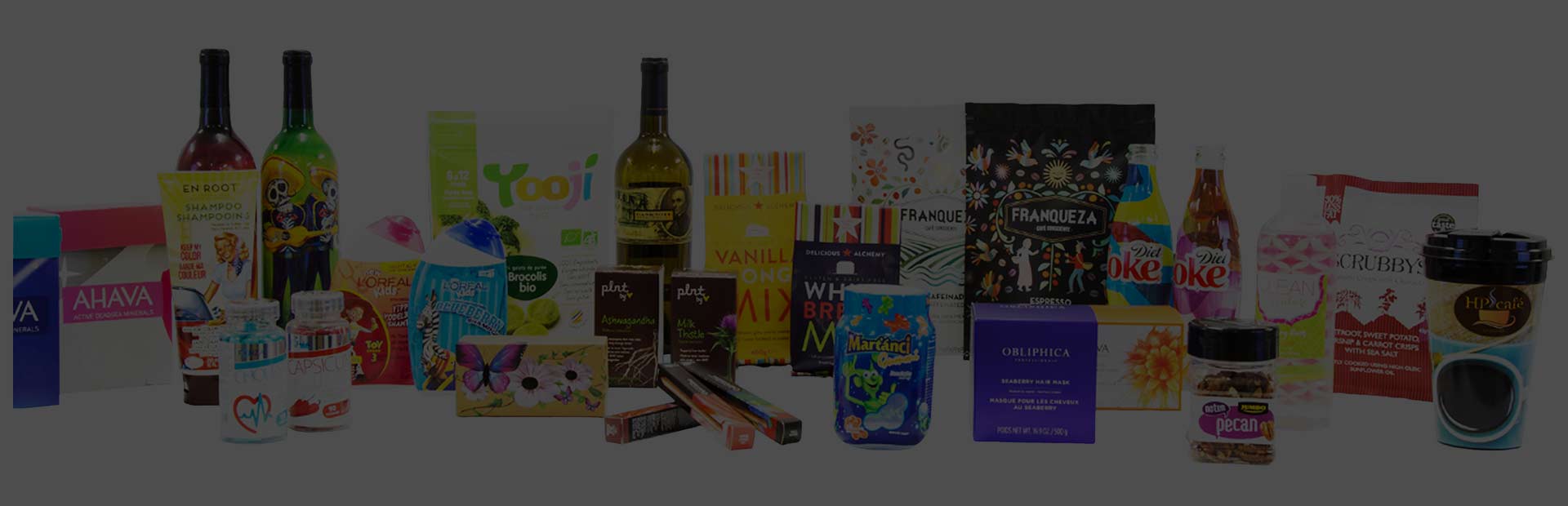
Food and Beverages: For packing snack boxes, canned foods, beverages, condiments, and frozen products.

Cosmetics and Pharmaceuticals: For packing skincare products, medicines, and supplements.

Daily Necessities: For packaging household items, cleaning products, and personal care goods.

Stationery: For packing office supplies, stationery sets, and other retail products.

Why Choose Our Box Packing Solution?

1.Reliable and Durable: Built to last with high-quality materials, our machines ensure a long operational lifespan with minimal maintenance.

2.Customizable to Your Needs: Whether you're packing small or large quantities, our solutions can be tailored to meet your specific product and packaging requirements.

3.Scalable for Growth: As your production needs grow, our Box Packing Machines are scalable, allowing for easy upgrades and system expansions.

Get Started with Unionpack’s Box Packing Solutions Today!

For manufacturers looking to improve efficiency, reduce labor costs, and enhance the overall packing process, Unionpack’s Box Packing Solutions offer the ideal combination of flexibility, efficiency, and automation.

Contact us today to discuss how our Box Packing Machines can streamline your production process, save time, and improve your bottom line. We look forward to helping you achieve your packaging goals with our advanced, intelligent packaging technology!
Inquire Now
Recent Post
img

A few years ago, a specialty coffee roaster faced a quiet crisis. Their beans lost aroma within weeks. Their nitrogen-flushed bags still showed oxidation. Their manual sealer couldn't keep up with growing orders. They needed something faster, but speed meant nothing without preservation.

They eventually discovered that the real solution wasn't just a faster sealer—it was a different machine architecture entirely.

Today, rotary packing systems have moved beyond large meat plants into surprising corners of the food industry. Here are five real-world applications where this technology solves problems that conventional sealers cannot.

Collage of four different packaged products: coffee, cheese, pet treats, and ready meals

1. Extended Shelf Life for Ready-to-Eat Meals

Ready-to-eat meal producers face a brutal contradiction. Consumers want fresh ingredients, but retailers want 45-day shelf lives. Conventional heat sealing leaves oxygen inside, which degrades colors and promotes bacterial growth.

Rotary systems solve this through a deeper vacuum pull combined with gas flush options. By removing up to 99% of oxygen, they slow oxidation without preservatives. One prepared meal manufacturer reported extending their refrigerated pasta shelf life from 21 to 42 days after switching to a rotary vacuum packaging machine with modified atmosphere capability.

The key is the continuous motion. Unlike single-chamber units that pause between cycles, rotary designs maintain consistent vacuum levels across thousands of packages per hour. This uniformity is critical for food safety audits.

2. High-Volume Cheese and Dairy Portioning

Cheese is unforgiving. It sweats. It oils off. It sticks to sealing bars. And it absolutely requires oxygen-free environments to prevent mold.

Dairy processors have long favored rotary systems because they handle soft, sticky products without smearing. The rotating carousel allows longer vacuum dwell time while maintaining throughput. A Midwest cheese producer we interviewed said their rotary line processes 90 two-pound cheddar blocks per minute—something their previous intermittent-motion machine could never achieve.

The machine's sealing bars also stay cleaner because the continuous rotation naturally sheds residue. Some operators report going entire eight-hour shifts without stopping to clean sealing surfaces.

3. Frozen Vegetable and Fruit Bags

Frozen vegetables present a unique challenge: ice crystals. When a frozen product enters a vacuum chamber, ice can sublimate and re-freeze on sealing surfaces, creating poor seals. Worse, vacuum pressure can crush delicate items like berries or peas.

Rotary systems handle this better because they can use gentler vacuum profiles. Instead of one aggressive pull, modern controls apply staged vacuum levels—removing air gradually so delicate structures don't collapse.

One frozen fruit processor reduced their broken berry rate from 8% to under 1% by switching to a rotary platform with programmable vacuum curves. The machine also maintained seal integrity even when frost accumulated on the film, a common source of rejects in linear systems.

For specific technical data on how vacuum curve programming affects different frozen products, review this application note on delicate food handling.

4. Pet Food and Treats in Stand-Up Pouches

The pet food market has exploded with premium, human-grade products. These often come in stand-up pouches with zippers—packaging that demands precise registration and consistent seal strength.

Rotary machines excel here because the pouch remains clamped throughout the cycle. Registration doesn't shift. Zippers stay aligned. And the continuous motion eliminates the "bounce" that can cause uneven fill levels in linear systems.

A pet treat manufacturer producing 500,000 pouches monthly told us their changeover time between different pouch sizes dropped from 45 minutes to 12 minutes after adopting a servo-driven rotary platform. They now run six different recipes in a single shift without overtime.

The same machine also handles rigid trays and flat pouches, giving contract packers the flexibility they need for seasonal product mixes. If your operation handles multiple package formats, explore multi-format capability examples to see typical changeover workflows.

5. Medical Device and Pharmaceutical Blister Trays

Sterility requirements separate medical packaging from food applications. The stakes are higher. A failed seal means contamination risk and product recalls.

Medical device manufacturers use rotary systems for Tyvek pouches and thermoformed blister trays because the sealing parameters are repeatable to within tight tolerances. The continuous rotation eliminates variation introduced by operator loading speed or material tension changes.

One surgical kit assembler validated their rotary line for ISO 11607 compliance after running 10,000 consecutive seals with zero failures. Their previous linear system had a failure rate of 0.3%, which sounds small until you calculate recall costs for implanted devices.

Medical device Tyvek pouches on a rotary sealing carousel with a cleanroom-compatible design


Hidden Applications Beyond These Five

Beyond these common uses, rotary machines appear in surprising places: cannabis packaging (where child-resistant seals are mandatory), industrial desiccant pouches (where moisture control is critical), and even ammunition packaging (where a consistent vacuum prevents corrosion during long-term storage).

What all these applications share is a need for speed without sacrificing seal quality. The rotary design achieves this by keeping the product moving while maintaining precise control over vacuum, gas flush, and sealing temperature.

Is Rotary Right for Your Product?

Rotary systems make sense when three conditions align:

  1. You need more than 50 finished packages per minute

  2. Your product benefits from a deep vacuum or a modified atmosphere

  3. You run the same pouch format for hours or days at a time

If your operation checks these boxes, the technology likely pays for itself within 12-18 months through reduced labor and lower film waste.

However, rotary machines are an investment. Before committing, request a run-off using your actual product and film. Watch for seal consistency across the first and last pouches of the run. And ask about spare parts availability—heating elements and sealing bands should ship within 48 hours.

If you want to compare how different rotary platforms handle your specific product characteristics, request a sealed sample evaluation with documented vacuum levels and seal strength data.

Which of these five applications matches your product category—or do you have something completely different in mind? The right packaging solution starts with understanding your product's unique failure modes.

img

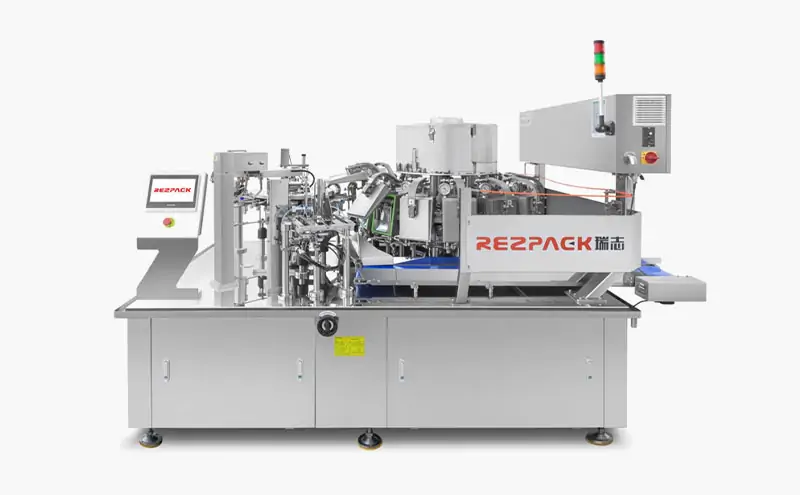
If you have spent any time on a packaging floor, you already know this: intermittent stop-and-go machines eat up precious seconds. So how do factories producing thousands of stand-up pouches per shift keep things moving without constant delays? The answer lies in a continuous motion platform. Instead of processing one bag at a time in a straight line, a rotary design spins each pouch through multiple stations in a seamless loop—loading, printing, opening, filling, sealing, and discharging without ever stopping to catch its breath. Premade pouch packer built on this principle typically runs 30 to 80 bags per minute, while higher-end configurations push beyond 120, depending on product type and pouch size.

Behind those numbers is a reality many buyers overlook until the machine arrives on their dock: rotary designs trade simplicity for throughput. The trade-off becomes obvious once you understand what happens inside the turret. Let’s walk through exactly where your pouch goes and why each motion matters.

The Eight Moves That Turn an Empty Bag Into a Finished Package

A standard 8-station rotary configuration has become the industry baseline for good reason. It balances speed with enough flexibility to handle different pouch types, from flat pouches to gusseted stand-up pouches with zippers or spouts. Here is how it actually works, station by station.

Station 1 – Loading Without Stuttering

A stack of empty bags sits in the bag magazine. Vacuum suction cups pull the bottom pouch away from the stack while pneumatic grippers clamp onto its top edge. The rotating turret then indexes the pouch to the next position. If the pick-up fails here, nothing else works. This is why reliable vacuum systems and properly maintained suction cups matter more than marketing brochures admit. Worn cups or misaligned stacks cause pouch feeding problems that ripple through every subsequent station.

Station 2 – Marking Before Filling

Once clamped, the bag receives its date coding, batch information, or branding at this position. Thermal transfer, inkjet, or laser printers apply the marks while the pouch is still flat and empty. Printing before filling seems counterintuitive until you have tried printing on a bulging, product-filled bag when the surface is uneven and misalignment is guaranteed. This placement is not random—it is deliberate engineering.

Station 3 – The Opening Trick

Two rows of suction cups grab opposite sides of the pouch mouth while a brief air jet blows into the bag. The grippers then pull open the top, fully exposing the interior. For zipper pouches, mechanical fingers also separate the interlocking tracks. If the bag fails to open correctly—say, the material sticks due to humidity or static electricity—a photo eye detects the error. The machine skips filling and sealing for that cycle entirely. That small sensor prevents massive product spills across your floor.

Rotary Vacuum Packaging Machine

Station 4 – Dropping the Right Amount

Now the bag is open and stable under the filler. What happens next depends entirely on what you are packaging. Multi-head weighers handle granules like nuts or pet food. Auger fillers meter powders such as coffee or protein mixes. Piston pumps move liquids and pastes. For solids that settle unevenly, a settling device vibrates the pouch to distribute contents before sealing. The accuracy target ranges from ±0.5% to ±2%, with modern servo-driven systems regularly hitting the tighter end of that scale.

Stations 5 and 6 – Options That Save You Later

Not every product fits neatly into four stations. Two-stage filling handles high-volume or dual-component products—think soups that need liquid and solids distributed evenly. Extra stations can also accommodate gas flushing to extend shelf life for oxygen-sensitive items like coffee or nuts. Some configurations reserve a station for deflation, removing air before the seal bar closes to produce a flatter, denser package.

Station 7 – Making the Seal Stick

Heat seal bars press against the top of the pouch, using controlled temperature and pressure to bond the inner sealant layers of the bag material. Seal temperature typically ranges from 130 to 200 degrees Celsius depending on laminate composition. If the seal is too cold, the bond fails; too hot, the material melts through. The margins are narrower than you think.

Station 8 – Double Sealing and Out the Door

Many machines run a second sealing pass to reinforce the seam or run a cooling bar over the freshly bonded material to flatten and set the seal. A final checkweigher or metal detector may sit downstream, catching defects before bags reach your case packer. A single rotary line can integrate directly with downstream checkweighers, X-ray inspection units, or cartoning equipment without manual unloading.

The Real Reason Rotary Builds Outperform Linear Designs

Intermittent machines stop at every station. The bag sits still, the filler cycles down, the seal bars press, then everything waits for the next index. Rotary machines never stop. The turret spins continuously. Each station completes its task as the bag passes through. That difference directly translates into throughput. A typical rotary system achieves 15 to 30 percent higher OEE than indexed machines of similar complexity because motion is constant start-and-go.

But constant motion also demands precise servo controls. A rotary design with sloppy indexing or inconsistent pneumatic pressure will jam just as often as any intermittent machine. Speed alone is worthless if you are clearing pouch jams every twenty minutes. The difference between a smooth-running rotary line and a headache is hidden in the timing cam and vacuum systems that most buyers only discover after installation.

Carton Packing Machine

What You Lose When You Choose Rotary Over Other Configurations

Not every packaging scenario benefits from a rotary platform. If you are running a vertical form fill seal (VFFS) system that forms bags directly from roll stock, you eliminate the cost of pre-made pouches entirely. VFFS machines typically run 60 to 120 bags per minute and produce roughly 20% less film waste because the bag forms precisely around your product, not from a pre-cut inventory. The upfront cost of VFFS equipment, however, often runs 30 to 50% higher than a comparable premade pouch filler, making ROI calculations highly volume-dependent.

For businesses committed to high-end branded packaging—stand-up pouches with zippers, spouts, or premium print designs—relying on roll stock film is not an option. Those features must be pre-manufactured anyway. The packaging market valued at USD 12.6 billion in 2025 reflects this reality. Similarly, if your pouches include reclosable zippers or spouts, a properly configured automated bagging machine is not optional—it is the only way to keep line speeds viable.

Inline vs. Rotary for Medium-Scale Production

Smaller operations sometimes ask whether an inline filling system could work instead. Inline layouts move pouches sequentially through stations in a straight line, stopping at each position. They require less upfront investment and simplify maintenance access. But rotary systems offer more compact floor layouts and higher throughput. For medium-volume production of sensitive liquids or products requiring precise handling, inline may win. For high-volume continuous runs, rotary is the industry default for good reason.

Why the Same Core Technology Feels Different from One Supplier to Another

Here is where most buyers trip up. The basic station sequence—load, code, open, fill, seal, discharge—is nearly identical across manufacturers. The differences show up in the details that affect operators every shift.

Changeover time separates good machines from frustrating ones. Swapping from a 200mm pouch to a 150mm pouch should take 10 to 15 minutes, not 45. Machines built with modular tooling and tool-free adjustment points dramatically reduce downtime between production runs, which matters when you run multiple bag sizes across the same line. The packaging industry has established safety frameworks such as ISO 12100 that govern general design principles for machinery safety, covering risk assessment and proper guarding of moving parts. Machines that follow these standards reduce operator injury exposure during changeovers and maintenance.

Pouch detection systems also vary widely. Basic models rely on mechanical feelers. Better designs use capacitive or photoelectric sensors that detect the presence of a correctly opened bag before allowing the filler to cycle. The difference in spillage rates is dramatic. Pouch opening failures that go undetected dump raw product directly into your conveyor system, creating cleanup headaches far beyond the cost of the lost material.

Recurring maintenance pain points also differ. Sealing bars wear. Suction cups degrade. Belts stretch. A machine designed with accessible wear parts and clear diagnostic readouts on its HMI costs less to keep running than a cheaper unit that requires partial disassembly for routine cleaning.

When Customization Stops Being Optional

Standard configurations cover maybe 60% of what factories actually need. The other 40% is where customized pouching equipment makes or breaks your line.

Wet or sticky products demand different materials of construction. A liquid filler running tomato sauce needs different seals and wash-down protection than a dry auger handling protein powder. Dusty environments—think spice packing or powdered supplements—require covered filling zones and vacuum extraction at the seal bar to prevent “dirty seal” contamination as fine particles rise during filling. Machines built for clean rooms or aseptic applications add another layer of complexity entirely, with HEPA-filtered air over the filling zone and sterilizable surfaces throughout.

Spouted pouches with rigid fitments require grippers designed to accommodate specific diameters and cap orientations. Not every rotary machine supports this out of the box. The same applies to heavy-duty pouches containing dense products like frozen meat blocks—standard gripper designs may not provide enough clamping force to hold the pouch steady through all eight stations.

The ability to swap between multi-head weighersauger fillers, and liquid piston pumps on the same rotary base matters enormously for contract packers or manufacturers running multiple product lines. Some machines handle this with a quick-change coupling and preset recipes stored in the controller. Others require a half-day teardown. That difference translates directly into utilization rates and ultimately into profitability.

Safety and Compliance Matter More Than Brochures Suggest

Operators interact with these machines constantly during changeovers, clearing jams, and routine cleaning. Machines that follow ISO 12100 and ISO 13849 standards include properly guarded moving parts, accessible emergency stops, and control systems designed to fail safely rather than unpredictably. Compliance with EU Machinery Directive 2006/42/EC is a baseline for equipment sold in European markets, while US facilities must align with underlying general machinery safety regulations enforced by OSHA even without pouch-machine-specific rules. A safe machine is not a luxury—it is a requirement that affects insurance, liability, and morale on your production floor.

Putting the Pieces Together

The decision to commit to full rotary automation comes down to one question: do your volumes justify continuous motion? If you are packing 15 to 20 bags per minute, a semi-automatic or inline machine may cost less and serve your needs adequately. But once you cross 40 bags per minute consistently across multiple shifts, the packaging line efficiency gains from a rotary platform become undeniable. The global push toward automated packaging solutions reflects this reality—labor savings of 30 to 40% and improved seal consistency approaching 99.3% make the investment math increasingly favorable as production scales.

For operations that demand shift-after-shift reliability without the per-pouch material waste of roll-stock systems, see the full solution overview here to compare station configurations and optional add-ons.

img

A pet food producer in the Midwest once faced a frustrating bottleneck. Their existing linear pouch filler worked, but every product changeover cost them 45 minutes of lost production. Worse, during peak season, the machine couldn't keep up with its upstream filler. They asked a simple question: "Should we add another linear machine, or switch to a rotary design?"

That question gets asked every day in packaging rooms around the world. And the answer is rarely about speed alone.

Both rotary and linear configurations for pre-made pouches have loyal followers. But the right choice depends on five specific factors: your typical batch size, how often you change pouch sizes, available floor space, operator skill level, and your tolerance for film waste.

Illustrates the differences between linear and rotary packaging machines

The Fundamental Difference: Stop-and-Go vs. Continuous Motion

A linear machine moves pouches in a straight line. Each station—pick, open, fill, seal—operates sequentially. The pouch stops at each station before moving to the next. Think of it like a city bus: it stops at every corner.

A rotary machine places pouches on a rotating carousel. While the wheel turns continuously, the pouches move through all stations without stopping. The sealing bar rotates with the pouch, maintaining contact throughout the cycle. This is more like a moving walkway at an airport: you step on and keep moving.

This mechanical difference creates real-world trade-offs that many buyers overlook.

Speed and Output: When Does Rotary Pull Ahead?

For production lines running fewer than 40 pouches per minute, a well-tuned linear machine is often sufficient. Many mid-range linear systems reliably handle 35-45 cycles per minute with standard-sized bags (6 to 10 inches wide).

But once you need 60 or more pouches per minute, the linear design hits a physics limit. The stop-start motion creates inertia problems. Pouches can tip over. Sealing dwell time becomes inconsistent.

This is where a rotary premade pouch pick, fill, and seal machine typically shines. The continuous motion eliminates start-stop shock, allowing smoother handling at higher speeds. Some industrial bakeries report sustained outputs of 50-130 pouches per minute with rotary systems—without increasing operator fatigue.

However, speed isn't free. Rotary machines generally cost 40-60% more upfront than comparable linear models. The premium only makes sense if your volume justifies it.

Changeover Time: The Hidden Cost of Flexibility

This is where linear machines often win—at least on paper.

A typical linear machine can change between pouch sizes in 10-20 minutes. Many designs use color-coded guides and hand-adjustable rails. One snack food producer we spoke with said their operators could complete a full changeover during a standard 15-minute break.

Rotary designs traditionally required longer changeovers—sometimes 45 minutes or more—because multiple stations around the carousel needed to be synchronized. However, modern engineering has narrowed this gap significantly. Newer rotary platforms now feature servo-driven adjustments that store up to 50 recipe presets. With these systems, changeovers can drop to under 10 minutes.

If you run long production shifts with few changeovers, the rotary changeover time matters less. But if you run short batches of multiple SKUs, the linear approach—or a servo-equipped rotary—is more practical.

For a detailed breakdown of modern servo-driven changeover systems and their real-world payback periods, [see this technical comparison of adjustment mechanisms].

Floor Space and Layout Flexibility

Linear machines are, as the name suggests, long. A typical 4-station linear filler might span 12-15 feet. You need clearance at both ends for the pouch infeed and the finished package outfeed. This can force awkward floor plan layouts, especially in older facilities with columns or low ceilings.

Rotary machines have a much smaller footprint relative to their output. A rotary system producing 100 pouches per minute might occupy a 6-foot area—less than half the space of an equivalent linear machine. The compact design also simplifies integration with upstream equipment, such as auger fillers or multi-head weighers.

One frozen vegetable packer switched from two linear lines to one rotary line and freed up 400 square feet—enough space to add another palletizer.

Seal Quality and Film Waste

Linear machines use a reciprocating sealing bar that presses down, then lifts. This works well for most flat pouches. But for heavy products or gusseted bags, the linear seal can sometimes create "smile" effects—uneven sealing near the edges.

Rotary designs use a continuous band sealer that maintains constant pressure as the pouch moves. This produces more consistent seals across the entire width, especially for larger pouches or products with fine dust that can contaminate seal areas.

Film waste tells another story. Linear machines typically have simpler film paths, which can reduce waste during start-up and changeovers. Rotary machines, due to their more complex film handling, may waste 5-10 feet of film during each setup. Over a year of daily changeovers, that adds up. Calculate your film cost before deciding.

Rotary Premade Pouch Pick Fill Seal Machine

Operator Training and Maintenance

Linear machines are generally easier to learn. The stop-and-go motion gives operators time to see each step. Troubleshooting is more intuitive: if the fill station misfires, you watch it happen, then stop and fix it.

Rotary machines require more training. The continuous motion means operators must understand timing and synchronization. But once trained, one operator can often run two rotary machines simultaneously, thanks to the smoother material handling.

Maintenance costs also differ. Linear machines have simpler mechanics but more start-stop wear on clutches and brakes. Rotary machines have fewer shock loads but more complex cam tracks and servo systems. According to maintenance logs from a 2023 industry survey, total annual maintenance costs were within 15% of each other—but the distribution was different: linear spent more on mechanical brakes, rotary spent more on electronic sensors.

Decision Guide: Which One Fits Your Floor?

Factor Linear Machine Rotary Machine
Typical speed range 30-50 pouches/min 50-130pouches/min
Changeover time (traditional) 10-20 minutes 30-60 minutes
Changeover time (modern servo) 10-20 minutes 8-15 minutes
Floor space needed Large (linear layout) Compact (circular layout)
Initial investment Lower Higher (40-60% premium)
Operator training difficulty Low to moderate Moderate to high
Best for… Short runs, many SKUs Long runs, high volume

Making Your Choice

Start by calculating your required pouches per minute during peak season. Add 20% buffer. If that number exceeds 55, look seriously at rotary. If you're below 45, linear will likely serve you well—and save you capital.

Next, audit your changeover frequency. More than three changeovers per shift? Prioritize machines with recipe presets, regardless of rotary or linear design.

Finally, walk your floor. If space is tight, Rotary's compact footprint is hard to beat.

If you're still unsure which configuration matches your specific product mix and volume, [explore configuration examples from real production lines] to see how different brands solve these trade-offs.

What's your biggest packaging bottleneck today—speed, changeover time, or floor space? The answer to that question will point you toward the right technology.


References

Some of the data presented herein is derived from the *2023–2025 Packaging Machinery Industry Report*, technical specifications provided by leading manufacturers (Spack, Kenwei, Qualipak), and a survey of 127 end-users (CPMIA 2024).

These figures represent general industry reference ranges rather than absolute, fixed values; they are subject to minor adjustments based on specific manufacturer configurations and product characteristics. For detailed data, please contact the manufacturers directly.

img

Every production manager remembers that one morning. The packaging line suddenly becomes the bottleneck. Pallets of finished goods pile up, but nothing moves out the door because the sealing station can’t keep up. According to industry surveys, packaging operations account for nearly 30% of production delays in mid-sized food plants.

The problem isn’t usually the machinery itself. It’s the selection process that led to it.

When teams focus only on speed or price, they overlook how a packaging machine integrates into the existing workflow. The result? Frequent jams, inconsistent seals, and wasted film. To help you avoid this, here are five actionable tips based on real production floor experiences.

1. Match the Seal Integrity to Your Product’s Worst-Case Scenario

Many buyers test a machine with perfectly dry, room-temperature samples. That is a mistake. Your product rarely leaves the line in perfect condition. It might have moisture on the surface, fine dust, or uneven edges.

The real test is how the equipment handles variation. Look for a rotary vacuum packaging machine that offers adjustable dwell time and pressure. But more importantly, ask for a trial using your product in its “worst state”—right after washing, slightly frozen, or with natural oils present.

For example, a large smoked salmon processor once rejected three machines before finding one that maintained leak-proof seals even when brine residue was present. The difference wasn't just the vacuum strength. It was the sealing bar design and temperature control precision.

If you want to gain an in-depth understanding of specific sealing inspection methods, [contact us to obtain the technical guide for integrity].

2. Don’t Just Count Cycles—Calculate Effective Uptime

A machine might claim 60 cycles per minute. But what happens during a real shift? Film reloads, seal cleaning, and misfeed corrections all steal time. A smarter metric is “effective uptime” – the percentage of each hour the machine actually produces good packages.

Here is a simple rule from maintenance logs: for every 10 claimed cycles per minute, subtract 1-2 cycles for real-world losses on smaller pouches. For larger bags or rigid trays, subtract even more.

A better approach is to look for modular designs that simplify film changes and tool-less cleaning. These features directly improve effective uptime. One bakery client reduced their daily downtime from 45 minutes to just 12 by switching to a system with quick-release sealing jaws and an intuitive film tracking system.

Machine inspection close-up

3. Prioritize Sanitation in the Hidden Zones

Food safety audits are getting stricter. The days of only checking visible surfaces are over. Inspectors now look at the underside of conveyors, inside guarding panels, and around drive chains.

When evaluating equipment, bring a flashlight. Look at how the frame is welded. Are there horizontal ledges where debris can settle? Are electrical components protected but accessible? The best designs use sloped surfaces and sealed bearings.

Common operational errors include using high-pressure hoses near unsealed sensors. This causes phantom faults that stop production. To avoid this, choose systems with IP65 or higher ratings for control panels and avoid nooks that require brushes to clean.

For a real-world comparison of sanitation-friendly designs from different brands, [see this overview of hygienic machine features].

4. Think About Your Operator, Not Just Your Product

An often ignored factor is human fatigue. If loading pouches requires constant twisting or reaching, injury rates go up, and speed goes down. The same applies to control interfaces. A menu buried under four layers of buttons will slow down changeovers.

One mid-sized meat producer reduced training time from three weeks to three days simply by choosing a machine with a 7-inch color touchscreen that used intuitive icons instead of cryptic error codes. Operators could troubleshoot jams without calling a supervisor.

Ask your potential supplier: Can I see a video of a new operator using this machine after 15 minutes of training? The answer tells you more than any spec sheet.

5. Calculate the Hidden Cost of Consumables

The purchase price is visible. But spare parts and film waste are where budgets bleed. Some machines use proprietary sealing bars that cost four times more than industry-standard sizes. Others waste 2-3 inches of film per cycle as “leader” material.

A simple calculation can save thousands annually:

  • Film waste per day = (scrap per cycle) x (cycles per day) x (film cost per foot)

  • Spare parts availability – what is the lead time for a heating element? Two days or two weeks?

The most reliable suppliers publish their common spare parts list and typical shipping times. Avoid those who are vague.

Digital display screen

Making the Final Call

Choosing a packaging machine is ultimately about matching technology to your specific rhythm of production—not chasing the highest spec number. The best choice balances seal quality, real uptime, easy cleaning, operator comfort, and long-term consumable costs.

If you are currently evaluating options and want to see how these five tips apply to a modern, service-friendly design, explore the configuration tools and case studies available from REZPACK. Their approach focuses on reducing hidden downtime, and you can [request a detailed specification sheet] that compares effective uptime across different models.

What has been your biggest challenge with your current packaging line? Share your experience in the comments—your insight might help another production manager avoid a costly mistake.

GET A QUOTE

+86 18989886089

GET IN TOUCH NOW
Captcha Code
×
interpack-PROCESSING-&-PACKAGING
Exhibitions
We value your privacy
We use cookies to provide you with a better online experience, analyse and measure website usage, and assist in our marketing efforts.
Accept All