


 English
 Pусский
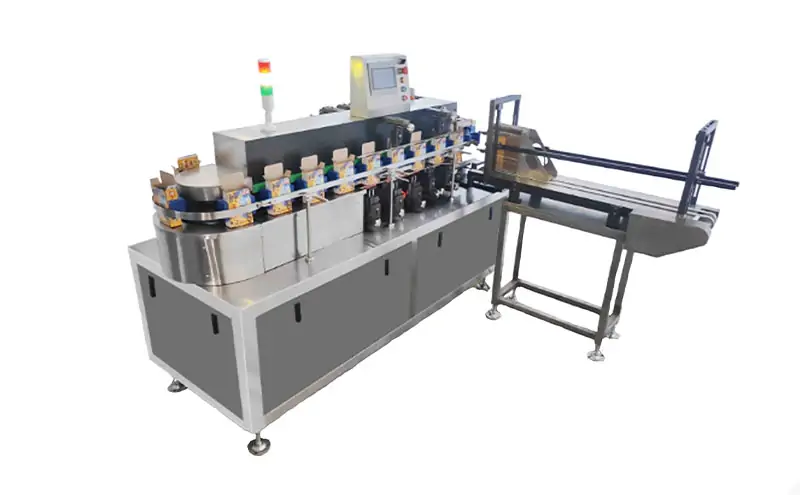
| Bag Width Range | 80-240 mm | Weight | 1500 kg |
| Bag Length Range | 150-370 mm | Total power | 3.02 kw |
| Filling weight | ≤ 1500g | Compress air | ≥ 0.4 m³/min |
| Max Speed | ≤ 60 bags/min | Dimensions | 1860 mm*1520 mm*1550 mm |


On a high‑speed cartoning line, the reject station exists to protect product quality. It diverts cartons that fail to form correctly, that are missing leaflets, or that have open flaps. But when the reject rate on blank boxes climbs from the normal one or two per shift to a steady stream, the problem is rarely with the boxes themselves. The machine is rejecting blanks because something in the forming sequence is not completing—and in most cases, that something traces back to the glue system or the sensors that tell the machine when to apply adhesive and when the carton is properly formed.
This guide walks through the systematic diagnosis of glue‑related and sensor‑related blank box rejection on a Carton Packing Machine. The approach applies broadly to both end‑load and top‑load cartoning machines found in food, pharmaceutical, and personal care packaging lines.
The carton forming process depends on adhesive being applied at the right time, in the right amount, and in the right place. If any of these three conditions is not met, the flaps will not bond, the carton will not hold its shape, and the machine will reject it.
The most common cause of intermittent blank rejection is a partially blocked glue nozzle. Water‑based and hot‑melt adhesives can both cause blockages. Water‑based adhesives dry and form a skin over the nozzle orifice during idle periods, such as lunch breaks or shift changes. Hot‑melt adhesives can char inside the nozzle if the tank temperature is set too high, creating carbon particles that obstruct flow.
A blocked nozzle produces a weak or interrupted glue pattern. The carton flaps may receive enough adhesive to pass a visual check but fail during the compression section, where the flaps spring open. The reject station catches the unglued carton, but the operator may not see the defect because the glue is hidden inside the flap.
The fix is straightforward: remove the nozzle, soak it in the manufacturer‑recommended cleaning solution (for water‑based adhesives) or purge it with fresh hot melt at the correct temperature (for hot‑melt systems). The nozzle should be inspected under magnification for wear—an eroded orifice produces a wider, thinner glue line that may not provide sufficient bond strength. Nozzles are consumable items and should be replaced when the orifice shape degrades.
If the nozzle is clean but the glue pattern is still inconsistent, the next check is the supply system. For water‑based adhesive systems, the pressure tank or pump must deliver consistent pressure. A worn pump diaphragm, a clogged in‑line filter, or a leaking hose can all cause pressure fluctuations that produce a weak glue pattern on every third or fourth carton—an intermittent fault that is difficult to catch by eye.
For hot‑melt systems, the tank temperature and the hose temperature must both be within the adhesive manufacturer's specified range. If the temperature is too low, the adhesive viscosity increases and the pattern becomes thin and stringy. If too high, the adhesive degrades and may not bond properly. The temperature controller should be verified with a separate calibrated thermometer—relying solely on the machine's display can miss a faulty thermocouple.
Glue must be applied at the correct point in the machine cycle. If the glue valve opens too early or too late relative to the carton position, the adhesive lands on the wrong part of the flap or misses it entirely. The timing is controlled by a trigger signal from the machine's encoder or from a product sensor upstream.
A glue pattern that is consistently shifted forward or backwards on the carton flap indicates a timing offset, which can be corrected by adjusting the trigger delay in the machine's control system. A glue pattern that varies from carton to carton suggests an encoder signal problem or a loose sensor bracket that allows the trigger point to drift. The sensor bracket should be checked for tightness, and the encoder coupling should be inspected for wear.
Cartoners use a network of photoelectric sensors, fibre‑optic sensors, and sometimes ultrasonic sensors to track the position of each blank through the forming sequence. A sensor that is dirty, misaligned, or failing can signal the control system that a carton has not formed correctly, even when the glue and the mechanical forming are perfect. For machines like the REZPACK cartoning equipment, the sensor network provides a reliable way to monitor carton presence and flap closure through every station.
The forming station typically has two or three sensors that must all register the carton in the correct position before the glue cycle is triggered. If one of these sensors is slow to respond—because the lens is dusty, because the fibre‑optic cable is kinked, or because the sensor's sensitivity has drifted—the machine controller may not receive a "carton present" signal in time. The glue valve does not fire, the carton passes through unglued, and the reject station activates.
Cleaning the sensor lenses with a lint‑free cloth and isopropyl alcohol should be part of the daily maintenance routine. Fibre‑optic sensors should be inspected for sharp bends that can break the fibres internally. If the sensor has an adjustable sensitivity, it should be set so that it reliably detects the carton surface but does not false‑trigger on reflections or ambient light.
After the glue is applied and the carton flaps are compressed, a flap detection sensor checks that the flaps are closed. If this sensor is set too sensitively, it may read a properly closed carton as open and trigger a false reject. If set too insensitively, it may pass cartons with partially open flaps, which then cause jams downstream.
The flap sensor should be tested by running a batch of known good cartons and confirming that the sensor output is stable. A sensor that produces an intermittent or flickering output on a properly formed carton may have a loose connection, a failing amplifier, or internal damage to the sensor element. Replacing a suspect sensor is often faster and more cost‑effective than spending hours trying to diagnose an intermittent electronic fault.
The reject station itself contains a sensor that confirms the rejected carton has actually been diverted. If this sensor is misaligned or dirty, it may not register the diverted carton, causing the machine controller to stop the line because it "sees" a carton that was not successfully rejected. This is not a blank box problem per se, but it can produce the same symptom—the machine stops or alarms at the reject station—and lead the operator to assume the problem is upstream when it is actually at the reject point.
When blank box rejection increases suddenly, the most efficient diagnostic approach is to work through the glue system first, then the sensors:
Observe the glue pattern. Run a batch of cartons with the reject function temporarily disabled and inspect the glue pattern on every carton. If the pattern is missing, weak, or misplaced on any carton, the problem is in the glue system.
Check the glue supply. Verify pressure (for water‑based) or temperature (for hot‑melt) at the nozzle. Clean or replace the nozzle if the pattern is inconsistent.
Observe the sensor indicators. Watch the sensor status lights during a production run. A sensor that flickers or fails to illuminate consistently indicates a cleaning, alignment, or replacement need.
Check the timing. If the glue pattern is present but consistently misaligned, adjust the trigger delay. If it varies, inspect the encoder and the product sensor bracket.
The most frustrating blank box rejection problems are the ones that appear and disappear unpredictably. These are almost always caused by a maintenance issue that is on the edge of tolerance—a filter that is just beginning to clog, a nozzle that is just starting to wear, a sensor lens that is just dirty enough to attenuate the signal on darker carton colours. A structured preventative maintenance programme that includes daily cleaning of nozzles and sensors, weekly inspection of glue filters and hoses, and monthly calibration of temperature and pressure sensors prevents most of these intermittent faults from developing.
For packaging lines looking to reduce reject rates and improve forming consistency, understanding the interaction between the glue delivery system and the sensor network is the first step. When both systems are maintained to specification, the cartoner forms every blank reliably. For operations seeking equipment with accessible maintenance points and robust sensor integration, exploring REZPACK's range of cartoning solutions can provide the foundation for a more reliable packaging line. When a cartoner is properly maintained, the reject station remains quiet—only activating when a genuine defect occurs, which is exactly what it is designed to do.

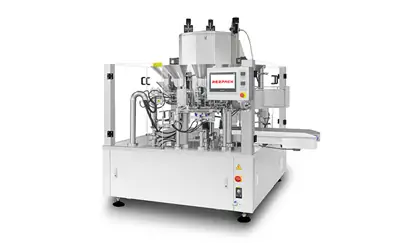
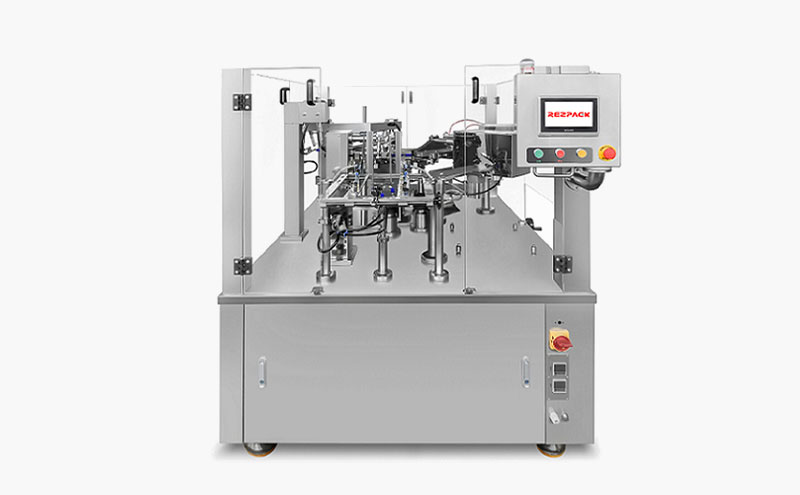
| Bag Width Range | 80-240 mm | Weight | 1500 kg |
| Bag Length Range | 150-370 mm | Total power | 3.02 kw |
| Filling weight | ≤ 1500g | Compress air | ≥ 0.4 m³/min |
| Max Speed | ≤ 60 bags/min | Dimensions | 1860 mm*1520 mm*1550 mm |
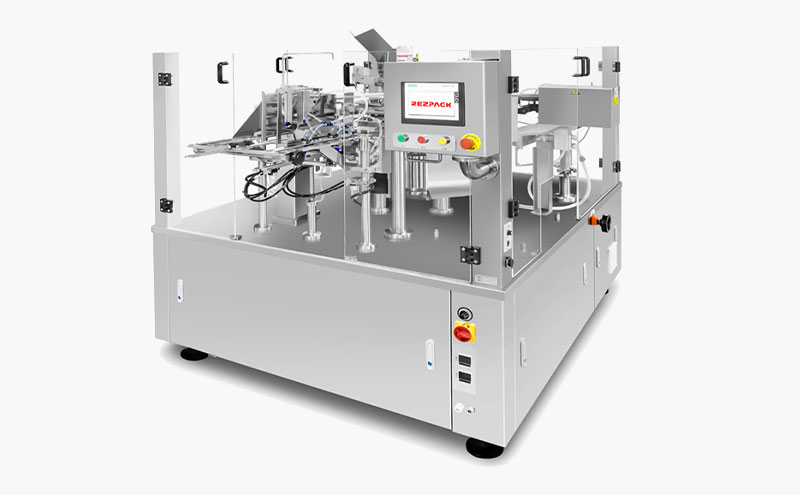
| Bag Width Range | 180-300 mm | Weight | 1800 kg |
| Bag Length Range | 150-450 mm | Total power | 3.62 kw |
| Filling weight | ≤ 2500 g | Compress air | ≥ 0.4 m³/min |
| Max Speed | ≤ 50 bags/min | Dimensions | 2080 mm*1720 mm*1650mm |
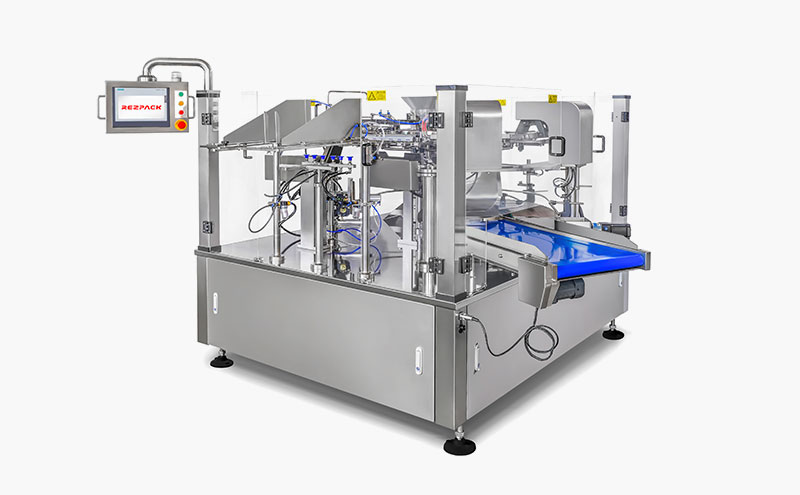
| Bag Width Range | 270-400 mm | Weight | 2500 kg |
| Bag Length Range | 150-600 mm | Total power | 3.62 kw |
| Filling Range | ≤ 5000g | Compress air | ≥ 0.4 m³/min |
| Max Speed | ≤ 30 bags/min | Dimensions | 2150 mm*2020 mm*1700 mm |