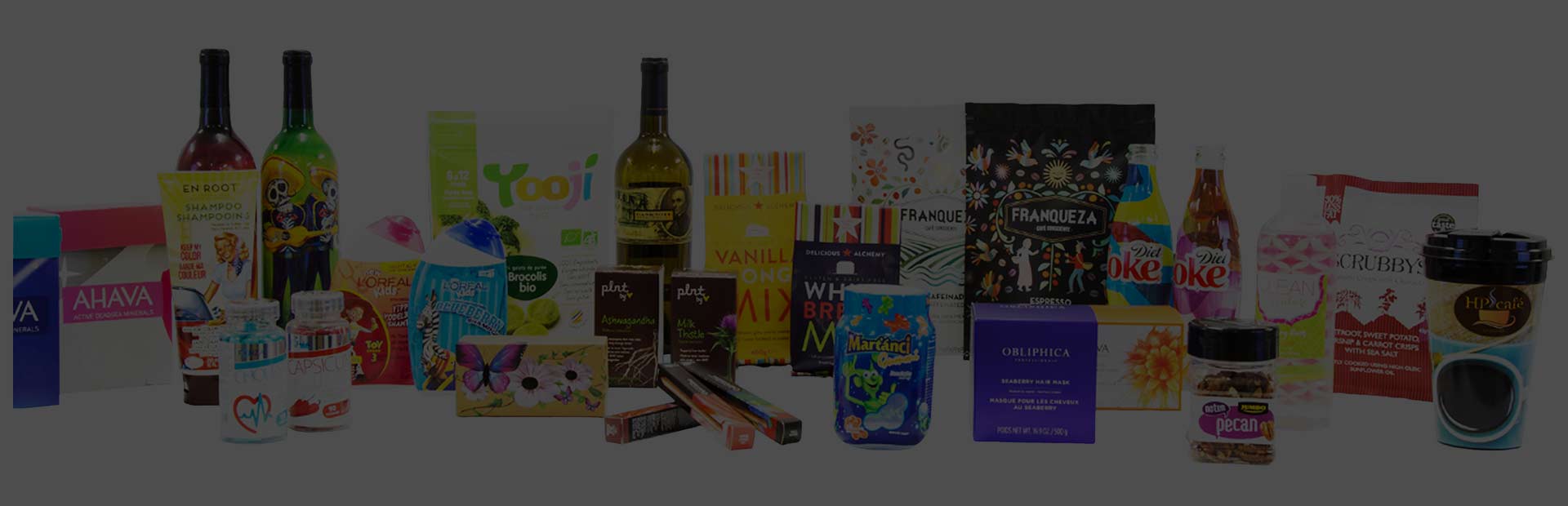
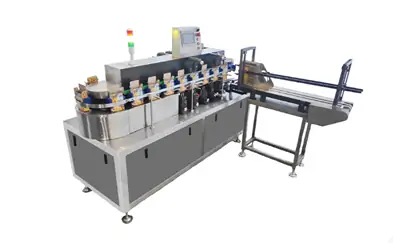
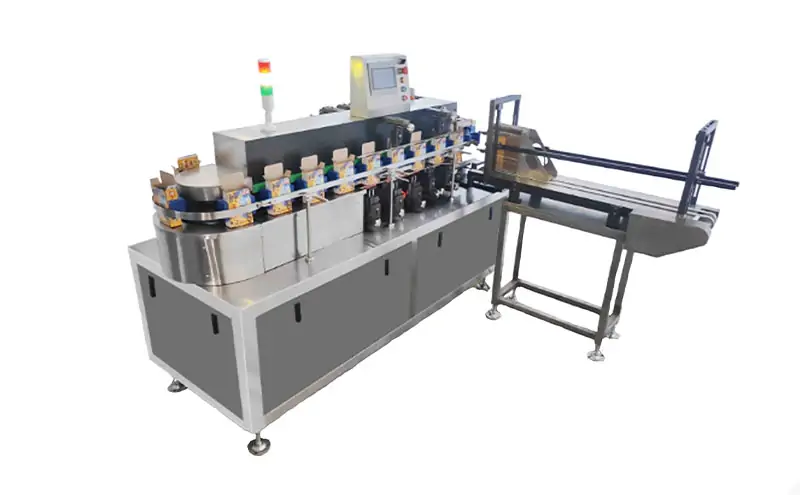
In today’s fast-paced industries like food & beverage, pharmaceuticals, cosmetics, and daily necessities, efficient packaging solutions are essential to stay competitive. Our Cartoning Packing Solution is designed to streamline your packaging process, offering automated, high-speed carton packaging that reduces labor costs and increases productivity.
Key Features of Our Cartoning Packing Solution
1.Seamless Automation
Our cartoning machines automate the entire carton packaging process, from loading to sealing. With adjustable settings for various carton sizes and shapes, it’s the perfect solution for businesses with diverse packaging needs.
2.User-Friendly Interface
The machine is equipped with a PLC touch screen, ensuring easy operation and quick setup. This intuitive design minimizes downtime and enhances overall efficiency.
3.High-Speed Performance
With automated loading and unloading, our machines can handle high volumes of products with speed and precision, freeing up your team for more critical tasks and reducing labor costs.
4.Reliability and Durability
Built with high-quality components, our cartoning machine runs smoothly with minimal maintenance. It’s designed for long-term, reliable use, ensuring consistent performance and reducing downtime.
5.Advanced Safety Features
Equipped with safety devices, the machine ensures no empty cartons are sealed, preventing product waste and improving cost efficiency.
Wide Application Range
Our Cartoning Packing Solution is versatile and can be used across various industries, including:
●Food & Beverage: Keeps products fresh and appealing.
●Pharmaceuticals: Meets stringent packaging standards for medicines.
●Cosmetics: Provides attractive packaging for beauty products.
●Stationery and Household Goods: Efficient packaging for daily essentials.
Exceptional After-Sales Support
We offer lifetime technical support, including maintenance, upgrades, and training, ensuring your machine operates smoothly for years to come.
Your Complete Carton Packaging Solution
Our Cartoning Packing Solution is ideal for businesses looking to optimize their packaging process. Contact us today to learn how our machine can enhance your production line’s efficiency and reduce packaging costs!
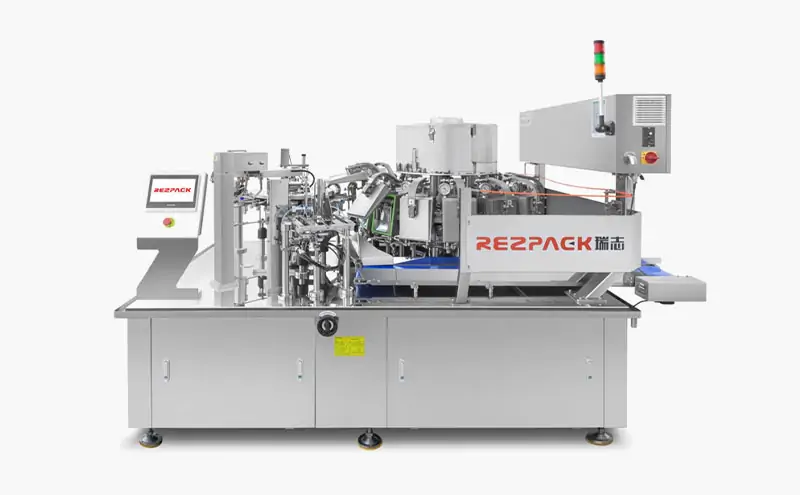
Anyone who’s worked in manufacturing knows that packaging isn’t just about wrapping a product—it’s about preserving quality, streamlining operations, and keeping up with customer demands. The Rotary Packing Machine has become a workhorse for businesses across sectors, and for good reason: it’s not just another piece of equipment, but a flexible solution that adapts to how different industries operate. Unlike rigid packaging machines that force you to adjust your products to fit their limits, this rotary pouch system bends to your needs—handling everything from tiny granules to thick sauces, and every pouch style in between.
At its heart, the Rotary Packing Machine is built for versatility. It works with standup pouches, zipper bags, spout pouches, and gusset bags, and can handle filling weights from a few grams up to 5 kilograms—all while hitting speeds that keep production lines moving (some configurations top out at 130 bags per minute). But what really makes it indispensable is how it solves industry-specific pain points. Below, we break down how it transforms packaging for four core sectors, with insights from decades of experience in the field.
Solid & Granular Products – Flexibility for Mixed SKUs and Gentle Handling
Solid and granular products span a huge range—from delicate treats to durable hardware—and the biggest headache for manufacturers is juggling multiple SKUs without slowing down. A machine that can’t switch between bag sizes or product types quickly ends up being a bottleneck. The Rotary Packing Machine fixes this with its touchscreen-controlled settings, which let you store dozens of bag configurations and swap between them in minutes. No more manually adjusting clamps or recalibrating for every new product—just select your setup and go.
For food-grade solids and granules, hygiene is non-negotiable. That’s why top-tier models like REZPACK’s Rotary Packing Machine use SUS304 stainless steel for all product-contact parts, ensuring compliance with food safety standards and easy cleaning between runs. The no-fill/no-seal alarm system is another game-changer: it stops the machine if a pouch is missing or doesn’t open properly, cutting down on waste that eats into profits. Whether you’re packaging small, fragile items that need gentle handling or bulkier granular goods that require consistent filling, this machine’s multi-station design balances speed with care—no broken products, no inconsistent weights.
Space is also a premium in most factories, and this rotary pouch machine’s compact footprint means it fits into existing lines without requiring a full overhaul. For businesses that produce multiple product lines, this eliminates the need for separate machines for each item, saving both money and floor space.
Liquid & Sauce Products – Leak-Proof Sealing and Viscosity Adaptability
Liquids and sauces are some of the trickiest products to package. Too loose a seal, and you’re dealing with leaks and spoiled inventory; too slow a filling process, and you can’t keep up with demand. The Rotary Packing Machine is engineered to tackle these issues head-on, with features specifically designed for fluid products.
Viscosity is a big variable—thin juices behave nothing like thick pastes—but this machine adapts. It comes with specialized liquid fillers that handle everything from runny beverages to heavy sauces, and foam prevention technology that stops frothy products from overflowing. The dual heat-sealing stations are a standout: first, a mesh or straight-line seal locks in the product, then cold presses smooth the seal to prevent wrinkles and ensure it’s airtight. For products that need to stay fresh longer, you can add nitrogen filling or vacuum sealing capabilities, which push out oxygen and slow spoilage.
REZPACK’s Rotary Packing Machine goes the extra mile with an oil-free vacuum pump, so there’s no risk of oil contaminating your products—a critical detail for food and beverage brands. It also works seamlessly with spout pouches and self-sealing zipper bags, with built-in zipper opener and closer functions that make packaging resealable products a breeze. For liquid manufacturers, this means less waste, longer shelf life, and happier customers who don’t have to deal with leaky packages.
Powder Products – Dust Control and Precision Filling
Powder products—whether they’re food seasonings, cleaning agents, or industrial chemicals—come with two major challenges: dust and consistency. Fine powders can escape during filling, creating safety hazards and wasting product, while uneven filling leads to customer complaints and regulatory issues. The Rotary Packing Machine addresses both with smart design choices that prioritize control.
Enclosed filling stations and air-exhausting features trap dust, keeping workspaces clean and protecting employees from respiratory risks. For powders that clump or have poor flowability, optional anti-blocking devices ensure a steady stream of product, so every pouch gets the exact weight specified. Precision is key here, and the machine’s integration with multihead weighers delivers accuracy within tight tolerances—essential for regulated industries where product weight is a compliance requirement.
Cleaning is another hassle with powder products, but this rotary pouch machine’s wipe-down structure and easy-to-disassemble components make sanitization quick and thorough. No more spending hours scrubbing hard-to-reach crevices—just take apart the filling station, wipe it down, and get back to production. REZPACK’s focus on durability also means the machine can handle the abrasive nature of some powders without wearing down, ensuring long-term reliability.
Specialty & Mixed-Media Products – Customization for Unique Needs
Specialty products—think cosmetics, personal care items, and industrial components—often don’t fit into standard packaging molds. They might use unconventional pouch shapes, require multi-component filling, or need extra protection during transit. The Rotary Packing Machine’s modular design makes it perfect for these use cases, as it can be customized to handle almost any specialty requirement.
For products with multiple components (like a liquid and a solid combined), the machine’s dual filling stations let you fill two materials sequentially or at the same time, cutting down on production steps. It works with shaped pouches, gusset bags (with side widths up to 50mm), and detachable pouches, giving brands the flexibility to create packaging that stands out on shelves. REZPACK’s 20 years of focusing on rotary packing machines has led to innovations like anti-collision features and grooved cams, which keep the machine stable even when handling heavy or irregularly shaped specialty products.
Data tracking is another big plus for specialty brands that need to maintain consistent quality. The machine’s data logging and fault alarm systems let you monitor production in real time, so you can spot issues like inconsistent filling or seal failures before they become major problems. This level of visibility helps protect your brand reputation and ensures every product meets your standards.
Why REZPACK’s Rotary Packing Machine Stands Out
Across all industries, the best packaging equipment is the one that works with your business—not against it. REZPACK has spent 33 years refining its Rotary Packing Machine, drawing on feedback from thousands of customers to build a system that’s reliable, customizable, and easy to use. Every machine undergoes rigorous testing before it leaves the factory, and the team offers on-site installation support and 24/7 technical assistance to make sure it integrates smoothly into your production line.
Whether you’re a small business looking to scale up or a large manufacturer needing to optimize efficiency, this machine adapts to your needs. It’s not just a tool—it’s a long-term investment that grows with your product line, saving you money on multiple machines and reducing downtime from changeovers.
Take the Next Step for Your Packaging
Ready to stop letting outdated packaging equipment hold you back? Whether you’re dealing with solids, liquids, powders, or specialty products, REZPACK’s Rotary Packing Machine has the flexibility and reliability to transform your operations. Reach out to REZPACK team today to discuss your specific needs, request a customized quote, or schedule a demo to see the machine in action.
Starting a small food business is an exciting journey—you’ve nailed your product recipe, built a loyal local customer base and are ready to scale. However, one hidden hurdle that often slows growth: packaging. For small operations, manual packaging isn’t just time-consuming but prone to errors, waste, and inconsistent quality that damages your brand. Bulky, overpriced industrial machines feel out of reach, and limited workspace and tight budgets make every investment feel high-stakes. The good news? There are purpose-built food packaging machines designed specifically for small businesses;you just need to know how to pick the right one.
First, Map Your Small Business’s Packaging Pain Points
Before diving into machine specs, take a step back and identify your unique challenges. Small businesses rarely face the same needs as large manufacturers, so generic solutions won’t cut it.
Space is often the biggest constraint. If your workspace is a small kitchen, warehouse nook, a shared production facility, a machine that takes up half the room is useless—no matter how powerful it is. You need equipment that fits in tight corners or that can be moved when not in use.
Budget flexibility is another non-negotiable. Small businesses cannot tie up capital in $100k+ machines, and many can’t afford long-term financing plans. The right machine should offer a reasonable upfront cost without sacrificing quality and have no hidden fees for setup or maintenance.
Finally, consider your current packaging inefficiencies. Are you spending hours hand-sealing bags, only to find leaks or uneven closures? Do you waste product due to imprecise filling? Are you turning down bulk orders because manual labor can’t keep up? Your machine should directly address these pain points—whether that’s speed, accuracy, or consistency.
Key Criteria for Small Business-Friendly Packaging Machines
Once you’ve defined your pain points, use these criteria to narrow down options, as they’re tailored to the unique needs of small operations.
Compact Design Without Sacrificing Performance
Size matters, and so does functionality. Look for machines labeled 'compact' or 'space-saving' that still deliver the speed and capacity you need. For example, REZPACK’s horizontal flow wrapper features a streamlined build that fits into most small workspaces, and can handle up to 1600 pieces per minute for small items like candies or snacks. Similarly, rotary premade pouch machines are designed with a small footprint, which makes them ideal for businesses with limited square footage.
Affordable Price Points and Customization
You don’t need to overspend to get a reliable machine. Seek out manufacturers that offer entry-level models for small businesses, offering options to customize features based on your needs, ensuring, you’re not paying for functions you’ll never use. Whether you need a machine for granular products like cereal, liquid sauces, or powdered mixes, customization ensures you get exactly what you need at a price that fits your budget.
ISO Certification for Quality & Compliance
Quality control is make-or-break for food businesses. An ISO-certified machine guarantees that the equipment meets international safety and performance standards, which reduces the risk of breakdowns, product contamination, or compliance issues. For small businesses, this isn’t just a “nice-to-have”;it’s a way to build trust with customers and avoid costly recalls down the line.
Ease of Use & Low Maintenance
Small teams often don’t have dedicated technicians, so their machine should be simple to operate and maintain. Look for intuitive controls, clear instruction manuals, and manufacturers offering 24/7 online support. Additionally, machines with readily available spare parts mean less downtime if something goes wrong, which is critical for keeping up with customer orders.
Top Machine Types for Small Food Businesses
Not all packaging machines are created equally. These two types are particularly well-suited for small operations, offering the perfect balance of size, cost, and functionality.
Horizontal Flow Wrapper
Ideal for small, individual products such as cookies, candies, or single-serve snacks, horizontal flow wrappers use a pillow-style packaging design that’s both efficient and visually appealing. They are compact, fast, and easy to integrate into existing workflows—no major renovations required. For small businesses looking to scale from manual to automatic packaging, this is a cost-effective starting point.
If you sell products in pouches—think nuts, coffee, sauces, or pet food—this machine is a game-changer. It automatically picks, fills, and seals premade pouches, eliminating the need for manual labor and reducing errors. The rotary design ensures consistent speed (up to 100 bags per minute for entry-level models) while maintaining a small footprint. It is also highly customizable, with options for different pouch sizes (55mm to 400mm) and filling mechanisms for granules, liquids, or powders.
Practical Tips to Avoid Costly Mistakes
Choosing the wrong machine can set your business back; follow these tips to make an informed decision.
First, match the machine to your product type. A machine designed for dry granules will not work for thick sauces, so be specific about your product’s consistency (liquid, powder, solid) and packaging needs (pouch, carton, roll film). Manufacturers like UnionPack offer guidance to ensure compatibility, so do not hesitate to ask for advice.
Second, do not overestimate your needs. It is tempting to buy a machine that can handle 10x your current output, but oversized equipment will waste space and money. Opt for a machine that fits your current volume with room to grow. Many models can be upgraded or modified as your business expands.
Finally, prioritize after-sales support. Small businesses can’t afford extended downtime, so choose a manufacturer that offers timely support, training, and spare parts. Free technician training is a huge plus, as it ensures your team can operate the machine confidently without extra costs.
Take the Next Step Toward Efficient Packaging
Manual packaging doesn’t have to hold your small business back. With the right compact, affordable, and high-quality food packaging machine, you can save time, reduce waste, and scale your operations without breaking the bank.
REZPack's small business-focused lineup—including horizontal flow wrappers and rotary premade pouch machines—checks all the boxes: compact design, customizable features, ISO certification, and budget-friendly pricing. Whether you’re packaging snacks, sauces, or powders, its equipment is built to fit the unique needs of small operations.
Ready to find your perfect packaging solution? Contact REZPack today for a free, personalized consultation. Its team of experts will assess your product, workspace, and budget to recommend the ideal machine—no obligation, no pressure.
In the fast-paced world of manufacturing and logistics, carton packing machines stand as backbone equipment, streamlining the transition from finished products to shippable goods. These machines not only cut down manual labor costs but also ensure consistent packaging quality—critical for protecting items during transit and enhancing brand reputation. With diverse industry needs ranging from small-batch production to 24/7 high-volume lines, understanding the different types of carton packing machines becomes essential for making informed equipment investments.
Video: Automatic carton packing machine
1. Carton Packing Machines Classified by Automation Level
Automation level is the most fundamental distinction among carton packing machines, directly impacting production efficiency, labor requirements, and long-term ROI. This classification caters to businesses of all sizes, from startups to large-scale manufacturers.
Fully automatic carton packing machines operate with minimal human intervention, handling everything from carton erection and product loading to sealing and output. Equipped with PLC control systems and servo drives, they adjust automatically to different carton sizes and product configurations, supporting speeds of 30+ units per minute for continuous production lines. While the upfront cost is higher, they deliver significant savings through reduced labor expenses and consistent output, making them indispensable for e-commerce fulfillment centers and large manufacturing facilities.
Semi-automatic carton packing machines strike a balance between manual operation and mechanization. Typically, an operator loads flat carton blanks or feeds products into the machine, while the equipment handles core tasks like folding, forming, or sealing. These machines are ideal for small to medium production volumes, offering lower initial investment and flexible operation—perfect for businesses with fluctuating order sizes or limited floor space. Their compact design allows easy integration into existing workflows without requiring major layout overhauls.
Manual carton packing machines represent the most basic category, relying primarily on human operation with mechanical assistance for tasks like folding or taping. These are best suited for low-volume, specialized applications—such as custom packaging for unique products—where automation would be cost-prohibitive. They offer maximum flexibility but lack the efficiency of automated alternatives.
2. Function-Focused Types of Carton Packing Equipment
Carton packing machines can also be segmented by their core functional roles within a packaging line, each addressing a specific step in the process from flat blank to sealed carton.
Carton erectors (or case formers) specialize in transforming flat cardboard blanks into fully erected, bottom-sealed cartons. Available in vertical and horizontal models, vertical erectors handle lower speeds (up to 10 cartons per minute) and suit space-constrained areas, while horizontal versions reach 30–50 cartons per minute for higher-volume needs. They use vacuum cups to retrieve blanks and mechanical devices to fold flaps, with options for tape or glue sealing to prepare cartons for product loading.
Case packers are designed to load products into pre-formed cartons, with variations tailored to product type and fragility. Drop-type case packers allow products to fall gently into cartons, ideal for stable items like cans or bottles, while grip-type models use mechanical arms to carefully place delicate products—common in the food and beverage industry. Wrap-around case packers take a different approach, forming the carton around the product as it moves along the conveyor, offering efficiency for uniform items.
Carton sealers complete the packaging process by securing carton tops and bottoms. They are categorized by sealing method: tape sealers (cost-effective and fast for general use), hot melting sealers (providing water-resistant, aesthetically pleasing seals for premium products), and buckle sealers (durable for heavy-duty industrial cartons). "Random" sealers, a specialized subset, automatically adjust to varying carton sizes without manual reconfiguration—essential for e-commerce operations handling diverse product dimensions.
Palletizers round out the end-of-line process, stacking sealed cartons onto pallets for storage and shipment. Low-level palletizers are compact and integrate easily with existing lines, while high-level models handle faster speeds for large-scale operations. Robotic palletizers offer the greatest flexibility, adapting to different stack patterns and carton types with minimal adjustments.
3. Specialized Carton Packing Machines for Targeted Applications
Certain industries demand specialized carton packing machines tailored to unique regulatory or product requirements, ensuring compliance and optimal performance.
Pharmaceutical-grade carton packing machines prioritize hygiene, precision, and traceability. These systems automatically insert product direction,print batch numbers and expiration dates, and conduct in-line quality checks to meet strict GMP standards. Their gentle handling capabilities protect delicate items like blister packs and syringes, while closed-loop control systems prevent contamination—critical for healthcare products.
Food and beverage carton packing machines focus on speed, sanitation, and product protection. They handle diverse packaging needs, from wrapping-around bottles to forming cartons for frozen foods. Stainless steel constructions facilitate easy cleaning, while moisture-resistant sealing prevents spoilage during transit. Many models integrate with date coders and weight checkers to ensure compliance with food safety regulations.
E-commerce-focused carton packing machines are built for versatility, addressing the challenge of packaging products of varying sizes and shapes. Random carton sealers and adjustable case formers eliminate the need for manual size changes, while integrated weighing systems optimize carton selection to reduce material waste. These machines support rapid order fulfillment, a key competitive advantage in online retail.
Choose the Right Carton Packing Machine for Your Business
Selecting the appropriate carton packing machine depends on three key factors: production volume (dictating automation level), product characteristics (fragility, size, and shape), and industry regulations (hygiene or traceability requirements). Whether you’re a small business seeking a cost-effective semi-automatic solution or a large manufacturer needing a fully integrated line, understanding these machine types ensures you invest in equipment that scales with your operations.
Ready to explore which carton packing machine type aligns with your business needs? Browse our comprehensive product catalog or contact UnionPACK technical team for a personalized consultation today.
AI Assistance: This content was created with partial AI support, enhanced and refined by industry experts to ensure accuracy and authenticity,AI rate is less than 30%.
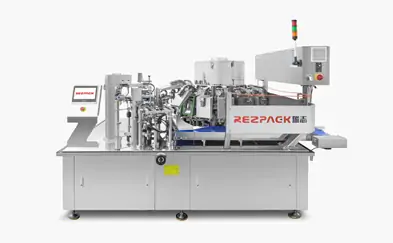
In the modern packaging industry, the rotary vacuum packaging machine has become a core equipment for businesses pursuing efficiency and quality. Unlike traditional static vacuum packagers, this machine integrates continuous operation, high sealing performance, and intelligent control, making it widely used in industries that require extended product shelf life and stable packaging quality. Below, we will break down its core functions, applicable industries, and key selection factors.
1. Core Functions of Rotary Vacuum Packaging Machine
The reason why rotary vacuum packaging machine stands out lies in its three key functions that solve practical pain points for enterprises:
•Continuous operation for high efficiency: Compared with equipment that requires manual feeding and unloading one by one, this machine adopts a rotary worktable design. It can complete feeding, vacuuming, sealing, and discharging in a circular flow, which greatly reduces downtime and improves packaging efficiency by a significant margin—especially suitable for enterprises with large daily output.
•Precise vacuum sealing to preserve quality: It is equipped with a high-performance vacuum pump and a multi-layer heat-sealing system. The vacuum degree can be adjusted according to different products (such as powdery, granular, or liquid items), and the sealing temperature and pressure are controlled precisely. This ensures that each package has a tight seal, effectively preventing air and moisture from entering, thus extending the product's shelf life.
•Intelligent control for easy operation: Most modern rotary vacuum packaging machines are equipped with a touch screen control panel. Operators can set parameters (such as vacuum time, sealing time) with one click, and the machine will automatically remember the parameter settings for different products. This reduces the difficulty of operation and avoids errors caused by manual adjustment.
2. Applicable Industries of Rotary Vacuum Packaging Machine
Due to its strong adaptability, the rotary vacuum packaging machine is not limited to a single industry but plays a key role in three major fields:
•Food processing industry: It is a "must-have" for processing enterprises producing meat products (such as ham, sausage), aquatic products (such as frozen shrimp, dried fish), and cooked food (such as braised pork, preserved eggs). The vacuum packaging can inhibit the growth of bacteria and maintain the original taste and color of food, which is crucial for brands focusing on product freshness.
•Pharmaceutical and health product industry: For small-dose pharmaceuticals (such as tablets, capsules) and health products (such as protein powder, Chinese medicine granules), the rotary vacuum packaging machine can achieve sterile packaging. Its stainless steel body is easy to clean and meets the GMP standards of the pharmaceutical industry, avoiding cross-contamination during the packaging process.
•Electronic component industry: Sensitive electronic parts (such as chips, resistors) are prone to damage due to moisture or static electricity. This machine can not only vacuum the packages but also optionally fill them with inert gas (such as nitrogen) to protect the components from oxidation and static interference, ensuring the stability of product performance.
3. Key Factors to Consider When Choosing a Rotary Vacuum Packaging Machine
When enterprises plan to purchase a rotary vacuum packaging machine, they should not only focus on the brand but also pay attention to three practical factors:
•Match with production capacity: First, clarify the daily packaging volume of the enterprise. If the daily output is small, a small rotary vacuum packaging machine with 4-6 workstations is sufficient; if the output is large, it is necessary to choose a model with 8-12 workstations to avoid equipment "overload" or "underutilization".
•Material safety and durability: The contact part of the machine with products must be made of food-grade or pharmaceutical-grade stainless steel (such as 304 stainless steel), which is corrosion-resistant and easy to disinfect. At the same time, check the quality of key components (such as vacuum pumps, sealing strips)—high-quality components can reduce maintenance frequency and extend the service life of the machine.
•After-sales support and training: Reliable after-sales service is essential. Choose suppliers that provide on-site installation, operator training, and 24-hour technical consultation. This can help enterprises solve problems such as equipment failure or parameter adjustment in a timely manner, avoiding losses caused by long-term shutdown.
Conclusion
In summary, the rotary vacuum packaging machine is not just a simple packaging device but a "production assistant" that improves efficiency, guarantees quality, and adapts to multiple industries. Whether it is a food enterprise pursuing freshness, a pharmaceutical enterprise focusing on sterility, or an electronic enterprise protecting components, this machine can meet their personalized needs.
If you want to know which model of rotary vacuum packaging machine is more suitable for your business, or need a customized solution, please contact Union Pack team immediately.
GET A QUOTE
GET IN TOUCH NOW
×
We value your privacy
We use cookies to provide you with a better online experience, analyse and measure website usage, and assist in our marketing efforts.