


 English
 Pусский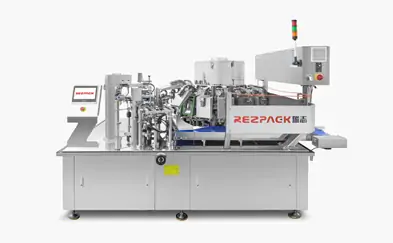
| Bag Width Range | 80-240 mm | Weight | 1500 kg |
| Bag Length Range | 150-370 mm | Total power | 3.02 kw |
| Filling weight | ≤ 1500g | Compress air | ≥ 0.4 m³/min |
| Max Speed | ≤ 60 bags/min | Dimensions | 1860 mm*1520 mm*1550 mm |


Every production manager remembers that one morning. The packaging line suddenly becomes the bottleneck. Pallets of finished goods pile up, but nothing moves out the door because the sealing station can’t keep up. According to industry surveys, packaging operations account for nearly 30% of production delays in mid-sized food plants.
The problem isn’t usually the machinery itself. It’s the selection process that led to it.
When teams focus only on speed or price, they overlook how a packaging machine integrates into the existing workflow. The result? Frequent jams, inconsistent seals, and wasted film. To help you avoid this, here are five actionable tips based on real production floor experiences.
Many buyers test a machine with perfectly dry, room-temperature samples. That is a mistake. Your product rarely leaves the line in perfect condition. It might have moisture on the surface, fine dust, or uneven edges.
The real test is how the equipment handles variation. Look for a rotary vacuum packaging machine that offers adjustable dwell time and pressure. But more importantly, ask for a trial using your product in its “worst state”—right after washing, slightly frozen, or with natural oils present.
For example, a large smoked salmon processor once rejected three machines before finding one that maintained leak-proof seals even when brine residue was present. The difference wasn't just the vacuum strength. It was the sealing bar design and temperature control precision.
If you want to gain an in-depth understanding of specific sealing inspection methods, [contact us to obtain the technical guide for integrity].
A machine might claim 60 cycles per minute. But what happens during a real shift? Film reloads, seal cleaning, and misfeed corrections all steal time. A smarter metric is “effective uptime” – the percentage of each hour the machine actually produces good packages.
Here is a simple rule from maintenance logs: for every 10 claimed cycles per minute, subtract 1-2 cycles for real-world losses on smaller pouches. For larger bags or rigid trays, subtract even more.
A better approach is to look for modular designs that simplify film changes and tool-less cleaning. These features directly improve effective uptime. One bakery client reduced their daily downtime from 45 minutes to just 12 by switching to a system with quick-release sealing jaws and an intuitive film tracking system.
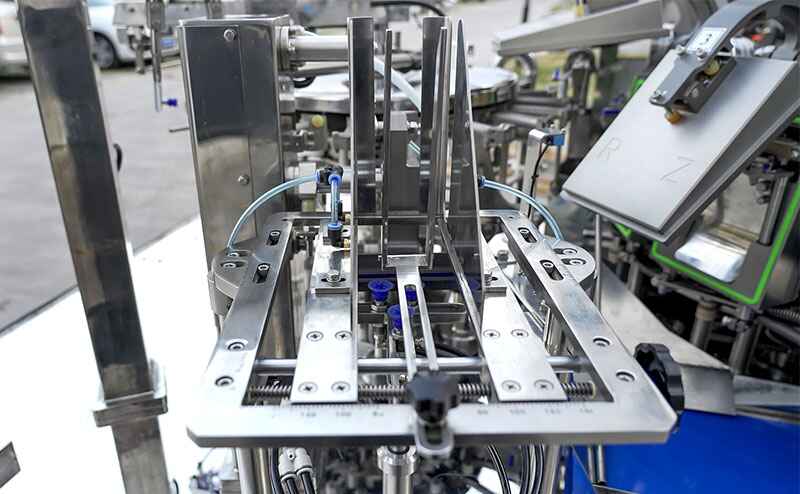
Food safety audits are getting stricter. The days of only checking visible surfaces are over. Inspectors now look at the underside of conveyors, inside guarding panels, and around drive chains.
When evaluating equipment, bring a flashlight. Look at how the frame is welded. Are there horizontal ledges where debris can settle? Are electrical components protected but accessible? The best designs use sloped surfaces and sealed bearings.
Common operational errors include using high-pressure hoses near unsealed sensors. This causes phantom faults that stop production. To avoid this, choose systems with IP65 or higher ratings for control panels and avoid nooks that require brushes to clean.
For a real-world comparison of sanitation-friendly designs from different brands, [see this overview of hygienic machine features].
An often ignored factor is human fatigue. If loading pouches requires constant twisting or reaching, injury rates go up, and speed goes down. The same applies to control interfaces. A menu buried under four layers of buttons will slow down changeovers.
One mid-sized meat producer reduced training time from three weeks to three days simply by choosing a machine with a 7-inch color touchscreen that used intuitive icons instead of cryptic error codes. Operators could troubleshoot jams without calling a supervisor.
Ask your potential supplier: Can I see a video of a new operator using this machine after 15 minutes of training? The answer tells you more than any spec sheet.
The purchase price is visible. But spare parts and film waste are where budgets bleed. Some machines use proprietary sealing bars that cost four times more than industry-standard sizes. Others waste 2-3 inches of film per cycle as “leader” material.
A simple calculation can save thousands annually:
Film waste per day = (scrap per cycle) x (cycles per day) x (film cost per foot)
Spare parts availability – what is the lead time for a heating element? Two days or two weeks?
The most reliable suppliers publish their common spare parts list and typical shipping times. Avoid those who are vague.
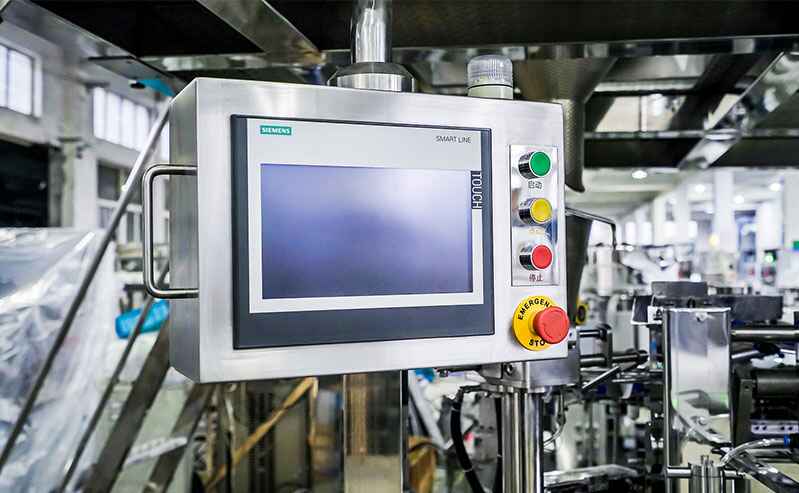
Choosing a packaging machine is ultimately about matching technology to your specific rhythm of production—not chasing the highest spec number. The best choice balances seal quality, real uptime, easy cleaning, operator comfort, and long-term consumable costs.
If you are currently evaluating options and want to see how these five tips apply to a modern, service-friendly design, explore the configuration tools and case studies available from REZPACK. Their approach focuses on reducing hidden downtime, and you can [request a detailed specification sheet] that compares effective uptime across different models.
What has been your biggest challenge with your current packaging line? Share your experience in the comments—your insight might help another production manager avoid a costly mistake.
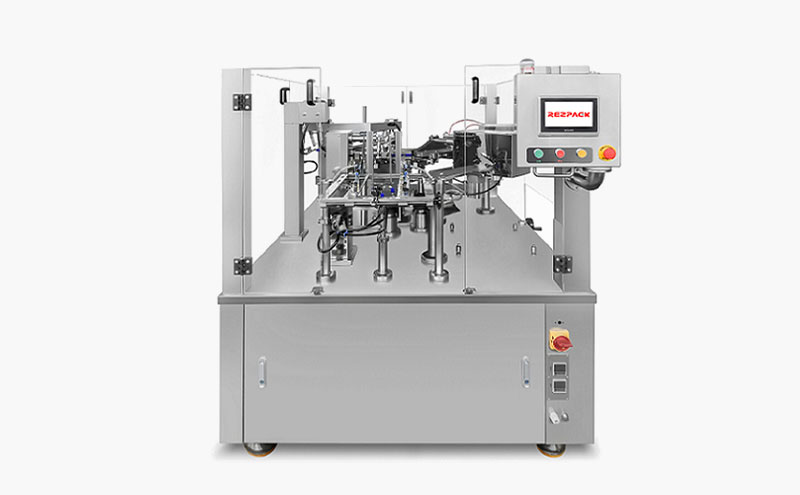
| Bag Width Range | 80-240 mm | Weight | 1500 kg |
| Bag Length Range | 150-370 mm | Total power | 3.02 kw |
| Filling weight | ≤ 1500g | Compress air | ≥ 0.4 m³/min |
| Max Speed | ≤ 60 bags/min | Dimensions | 1860 mm*1520 mm*1550 mm |
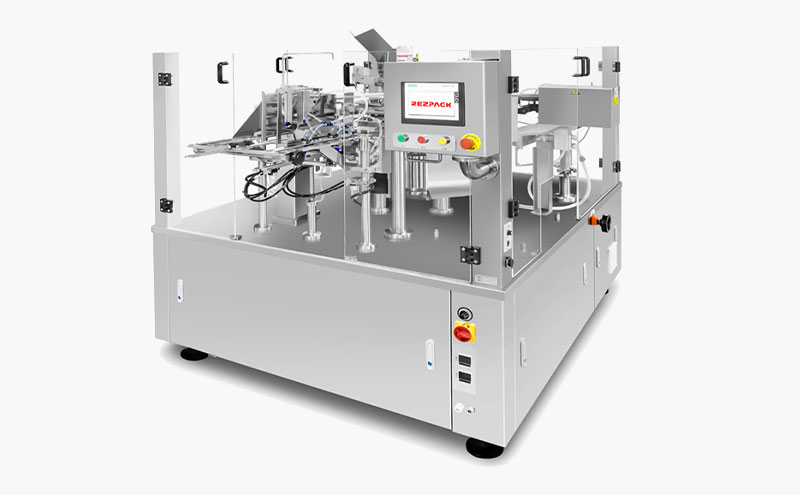
| Bag Width Range | 180-300 mm | Weight | 1800 kg |
| Bag Length Range | 150-450 mm | Total power | 3.62 kw |
| Filling weight | ≤ 2500 g | Compress air | ≥ 0.4 m³/min |
| Max Speed | ≤ 50 bags/min | Dimensions | 2080 mm*1720 mm*1650mm |
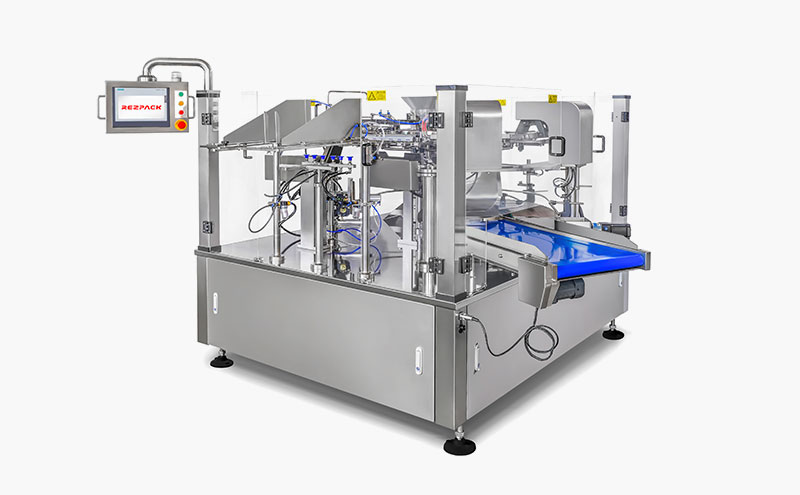
| Bag Width Range | 270-400 mm | Weight | 2500 kg |
| Bag Length Range | 150-600 mm | Total power | 3.62 kw |
| Filling Range | ≤ 5000g | Compress air | ≥ 0.4 m³/min |
| Max Speed | ≤ 30 bags/min | Dimensions | 2150 mm*2020 mm*1700 mm |