


 English
 Pусский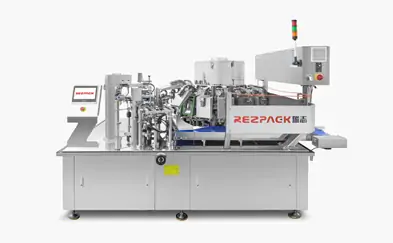

| Bag Width Range | 80-240 mm | Weight | 1500 kg |
| Bag Length Range | 150-370 mm | Total power | 3.02 kw |
| Filling weight | ≤ 1500g | Compress air | ≥ 0.4 m³/min |
| Max Speed | ≤ 60 bags/min | Dimensions | 1860 mm*1520 mm*1550 mm |


On a multi‑station rotary vacuum packaging line designed to run up to 120 bags per minute, the moment a premade pouch fails to open, the entire rhythm of the machine is disrupted. The filling station cycles with no bag to receive product; product spills onto the machine deck; the reject chute counts another wasted pouch. When this happens once per shift, it is written off as a random misfeed. When it happens several times an hour, the bag opening station is almost always the root cause.
Bag opening on a rotary vacuum packer looks simple—suction cups pull the two faces of the pouch apart, a blast of air or mechanical fingers assist the opening, and the bag is held ready for filling. In practice, the sequence relies on three variables working within a narrow window: consistent gripping force, precise vacuum timing, and correct mechanical alignment of the opening assembly to the bag carriage. A failure in any one of these produces the same visible symptom: a bag that does not open.
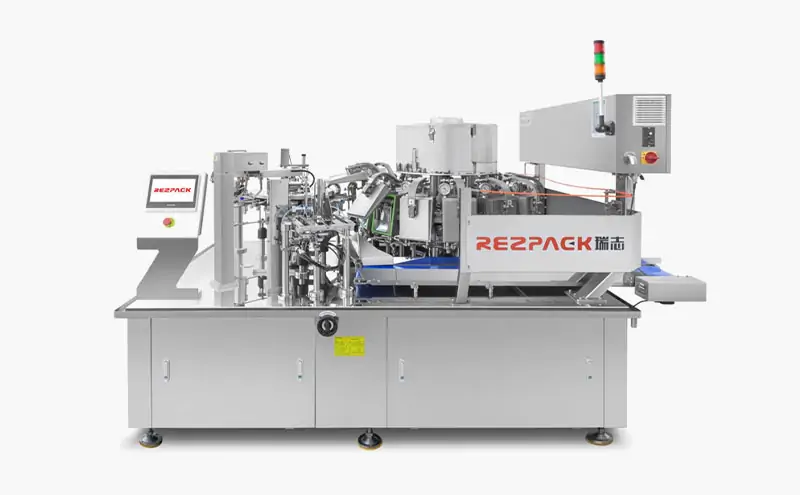
Suction cups are the most frequently overlooked consumable on a rotary packer. They are in constant contact with the bag surface, and they wear in three ways: the rubber lip loses its elasticity and can no longer form an airtight seal against the bag; the cup surface becomes glazed from repeated contact with coated or glossy pouch materials, reducing friction; and micro‑tears develop around the rim, causing vacuum leakage.
A suction cup that cannot hold a consistent vacuum will grip the bag face intermittently. The bag may partially open or not open at all, and the fault may appear random because the cup works on some bag materials and fails on others. The fix is to replace the suction cups on a scheduled basis—typically every three to six months in continuous production—rather than waiting for visible failure. The replacement interval should be shortened if the machine runs abrasive or heavily coated pouch materials. When replacing, verify that the cup diameter and material are correct for the bag width and surface finish. A cup that is too small will not generate enough holding force; a cup material that is incompatible with the pouch coating will degrade rapidly.
Even new suction cups will fail to open bags if the vacuum supply is inadequate. The vacuum pump or Venturi generator must deliver sufficient flow at the cups to overcome any leakage and to grip the bag within the short time window available at high machine speeds. A vacuum filter that is partially blocked with dust or pouch material fragments reduces the effective flow at the cups. The filter should be checked and cleaned daily, and the vacuum level at the cups should be verified with a gauge—a reading below the machine’s specification indicates a restriction in the line, a worn pump element, or a leak in the vacuum hoses.
The timing of the vacuum pulse is equally critical. On a rotary machine running at 100 bags per minute, each station has approximately 600 milliseconds to complete the opening sequence. If the vacuum valve is triggered too late, the cups do not have time to grip and open the bag before the filling station indexes into position. If triggered too early, the cups may grip before the bag is correctly positioned, pulling the pouch off‑centre. The timing offset can be adjusted through the machine’s control system. For equipment such as a Rotary Vacuum Packaging Machine, the vacuum timing is controlled through the central PLC, and even a small correction of 10–20 milliseconds can restore reliable bag opening across all stations.
The mechanical alignment between the suction cup assembly and the bag carriage determines whether the cups contact the bag squarely. If the assembly has shifted—because of a loose bracket, a worn linear bearing, or an impact from a previous jam—one cup may contact the bag earlier than the other, or the cups may strike the edge of the pouch rather than the centre of the face. The result is an uneven grip that twists the bag or fails to open it.
Alignment should be checked with the machine stopped at the opening station. The gap between the suction cups and the bag carriage should be measured on both sides and compared with the manufacturer’s specification. The cups should contact the bag simultaneously and squarely when the vacuum cycle begins. If the assembly is adjustable, the correction should be made and locked in place with the correct torque. After adjustment, a test run with a minimum of 50 consecutive bags should confirm that every bag opens reliably.
The three fixes above address the most common causes of bag opening failure, but preventing the problem is more cost‑effective than fixing it mid‑shift. A weekly inspection of the bag opening station should include:
Visual inspection of all suction cups for cracks, glazing, or loss of elasticity. Replace any cup that shows signs of wear.
Check of the vacuum filter and replacement if it shows any sign of clogging.
Verification of vacuum level at the cups using a calibrated gauge, with the reading recorded in the maintenance log.
Confirmation of the timing settings for the vacuum valve, with a test run to verify correct operation.
Mechanical alignment check of the suction cup assembly to the bag carriage, with any adjustments recorded.
For operations running multiple shifts or processing abrasive pouch materials, this inspection may need to be performed more frequently. The key is to identify wear before it causes a failure that stops the line. For production teams looking to reduce bag‑opening‑related downtime, REZPACK’s range of rotary vacuum packaging systems are designed with accessible bag opening stations that simplify the inspection and replacement tasks described above.
When the bag opening station is properly maintained, the rotary packer runs at its design speed, the filling stations receive an open bag at every cycle, and the reject bin stays empty. The three fixes above address the mechanical, pneumatic, and control‑related root causes of bag opening failure, providing a structured approach to a problem that is often misdiagnosed as a bag quality issue. A well‑maintained bag opening station keeps the entire line running smoothly and protects the investment in high‑speed rotary vacuum packaging equipment.
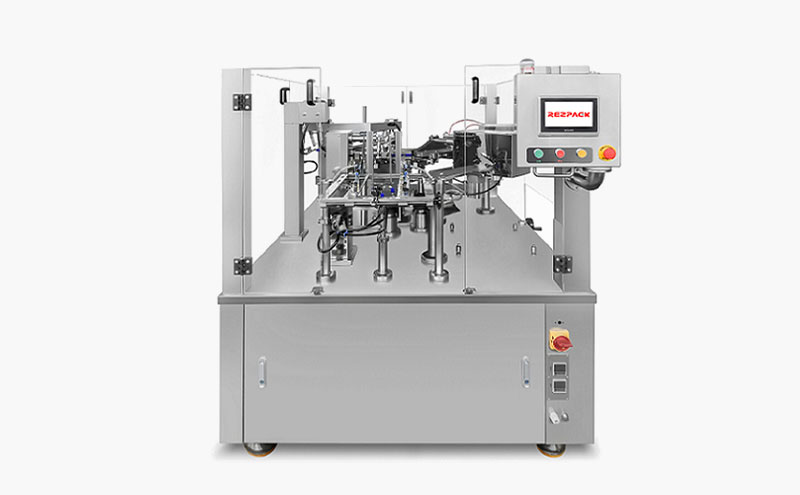
| Bag Width Range | 80-240 mm | Weight | 1500 kg |
| Bag Length Range | 150-370 mm | Total power | 3.02 kw |
| Filling weight | ≤ 1500g | Compress air | ≥ 0.4 m³/min |
| Max Speed | ≤ 60 bags/min | Dimensions | 1860 mm*1520 mm*1550 mm |
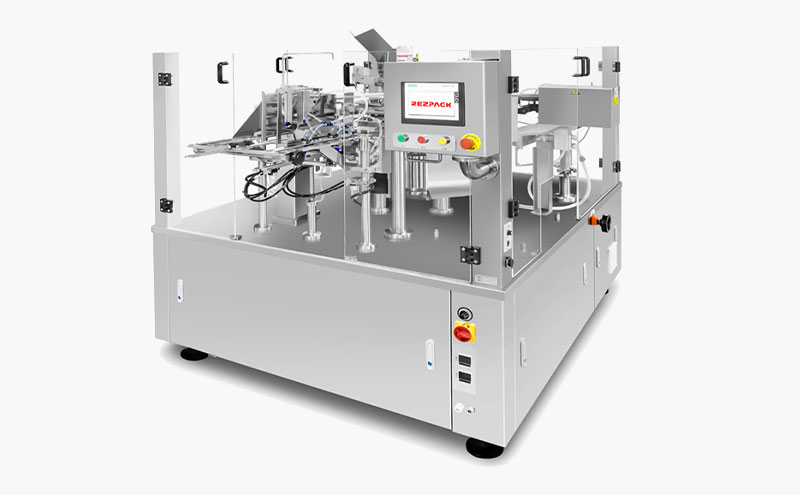
| Bag Width Range | 180-300 mm | Weight | 1800 kg |
| Bag Length Range | 150-450 mm | Total power | 3.62 kw |
| Filling weight | ≤ 2500 g | Compress air | ≥ 0.4 m³/min |
| Max Speed | ≤ 50 bags/min | Dimensions | 2080 mm*1720 mm*1650mm |
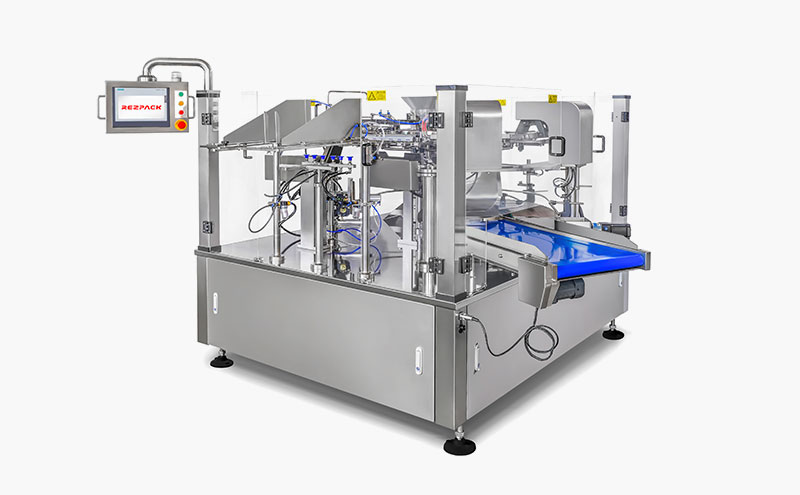
| Bag Width Range | 270-400 mm | Weight | 2500 kg |
| Bag Length Range | 150-600 mm | Total power | 3.62 kw |
| Filling Range | ≤ 5000g | Compress air | ≥ 0.4 m³/min |
| Max Speed | ≤ 30 bags/min | Dimensions | 2150 mm*2020 mm*1700 mm |