


 English
 Pусский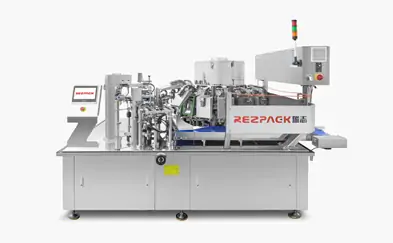
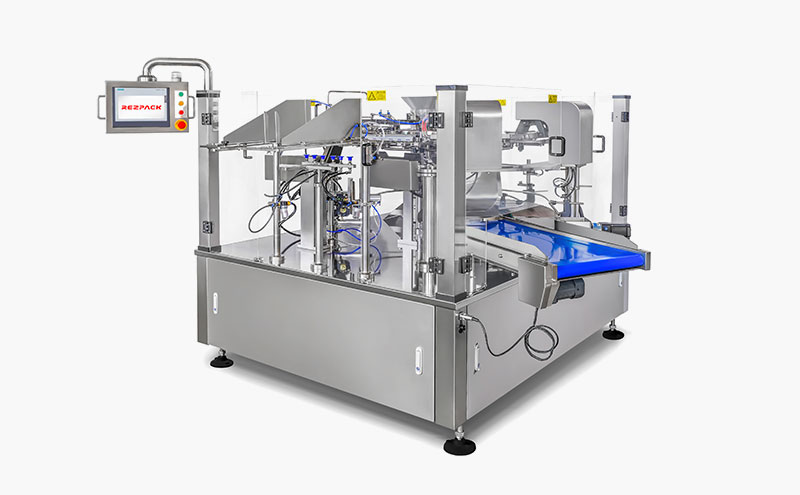
| Bag Width Range | 80-240 mm | Weight | 1500 kg |
| Bag Length Range | 150-370 mm | Total power | 3.02 kw |
| Filling weight | ≤ 1500g | Compress air | ≥ 0.4 m³/min |
| Max Speed | ≤ 60 bags/min | Dimensions | 1860 mm*1520 mm*1550 mm |


A pet food producer in the Midwest once faced a frustrating bottleneck. Their existing linear pouch filler worked, but every product changeover cost them 45 minutes of lost production. Worse, during peak season, the machine couldn't keep up with its upstream filler. They asked a simple question: "Should we add another linear machine, or switch to a rotary design?"
That question gets asked every day in packaging rooms around the world. And the answer is rarely about speed alone.
Both rotary and linear configurations for pre-made pouches have loyal followers. But the right choice depends on five specific factors: your typical batch size, how often you change pouch sizes, available floor space, operator skill level, and your tolerance for film waste.
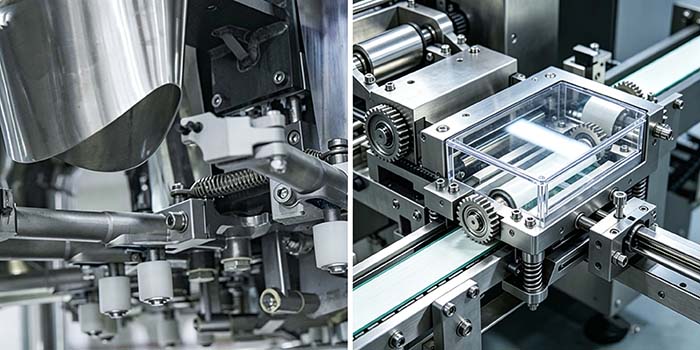
A linear machine moves pouches in a straight line. Each station—pick, open, fill, seal—operates sequentially. The pouch stops at each station before moving to the next. Think of it like a city bus: it stops at every corner.
A rotary machine places pouches on a rotating carousel. While the wheel turns continuously, the pouches move through all stations without stopping. The sealing bar rotates with the pouch, maintaining contact throughout the cycle. This is more like a moving walkway at an airport: you step on and keep moving.
This mechanical difference creates real-world trade-offs that many buyers overlook.
For production lines running fewer than 40 pouches per minute, a well-tuned linear machine is often sufficient. Many mid-range linear systems reliably handle 35-45 cycles per minute with standard-sized bags (6 to 10 inches wide).
But once you need 60 or more pouches per minute, the linear design hits a physics limit. The stop-start motion creates inertia problems. Pouches can tip over. Sealing dwell time becomes inconsistent.
This is where a rotary premade pouch pick, fill, and seal machine typically shines. The continuous motion eliminates start-stop shock, allowing smoother handling at higher speeds. Some industrial bakeries report sustained outputs of 50-130 pouches per minute with rotary systems—without increasing operator fatigue.
However, speed isn't free. Rotary machines generally cost 40-60% more upfront than comparable linear models. The premium only makes sense if your volume justifies it.
This is where linear machines often win—at least on paper.
A typical linear machine can change between pouch sizes in 10-20 minutes. Many designs use color-coded guides and hand-adjustable rails. One snack food producer we spoke with said their operators could complete a full changeover during a standard 15-minute break.
Rotary designs traditionally required longer changeovers—sometimes 45 minutes or more—because multiple stations around the carousel needed to be synchronized. However, modern engineering has narrowed this gap significantly. Newer rotary platforms now feature servo-driven adjustments that store up to 50 recipe presets. With these systems, changeovers can drop to under 10 minutes.
If you run long production shifts with few changeovers, the rotary changeover time matters less. But if you run short batches of multiple SKUs, the linear approach—or a servo-equipped rotary—is more practical.
For a detailed breakdown of modern servo-driven changeover systems and their real-world payback periods, [see this technical comparison of adjustment mechanisms].
Linear machines are, as the name suggests, long. A typical 4-station linear filler might span 12-15 feet. You need clearance at both ends for the pouch infeed and the finished package outfeed. This can force awkward floor plan layouts, especially in older facilities with columns or low ceilings.
Rotary machines have a much smaller footprint relative to their output. A rotary system producing 100 pouches per minute might occupy a 6-foot area—less than half the space of an equivalent linear machine. The compact design also simplifies integration with upstream equipment, such as auger fillers or multi-head weighers.
One frozen vegetable packer switched from two linear lines to one rotary line and freed up 400 square feet—enough space to add another palletizer.
Linear machines use a reciprocating sealing bar that presses down, then lifts. This works well for most flat pouches. But for heavy products or gusseted bags, the linear seal can sometimes create "smile" effects—uneven sealing near the edges.
Rotary designs use a continuous band sealer that maintains constant pressure as the pouch moves. This produces more consistent seals across the entire width, especially for larger pouches or products with fine dust that can contaminate seal areas.
Film waste tells another story. Linear machines typically have simpler film paths, which can reduce waste during start-up and changeovers. Rotary machines, due to their more complex film handling, may waste 5-10 feet of film during each setup. Over a year of daily changeovers, that adds up. Calculate your film cost before deciding.
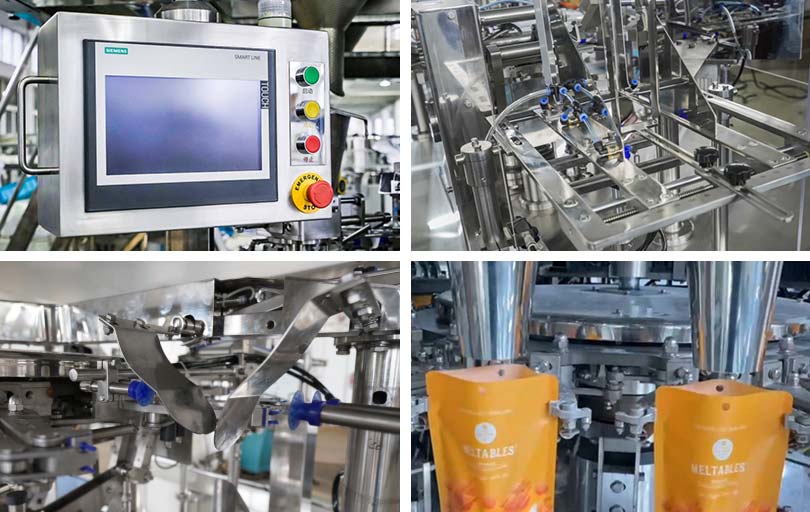
Linear machines are generally easier to learn. The stop-and-go motion gives operators time to see each step. Troubleshooting is more intuitive: if the fill station misfires, you watch it happen, then stop and fix it.
Rotary machines require more training. The continuous motion means operators must understand timing and synchronization. But once trained, one operator can often run two rotary machines simultaneously, thanks to the smoother material handling.
Maintenance costs also differ. Linear machines have simpler mechanics but more start-stop wear on clutches and brakes. Rotary machines have fewer shock loads but more complex cam tracks and servo systems. According to maintenance logs from a 2023 industry survey, total annual maintenance costs were within 15% of each other—but the distribution was different: linear spent more on mechanical brakes, rotary spent more on electronic sensors.
| Factor | Linear Machine | Rotary Machine |
|---|---|---|
| Typical speed range | 30-50 pouches/min | 50-130pouches/min |
| Changeover time (traditional) | 10-20 minutes | 30-60 minutes |
| Changeover time (modern servo) | 10-20 minutes | 8-15 minutes |
| Floor space needed | Large (linear layout) | Compact (circular layout) |
| Initial investment | Lower | Higher (40-60% premium) |
| Operator training difficulty | Low to moderate | Moderate to high |
| Best for… | Short runs, many SKUs | Long runs, high volume |
Start by calculating your required pouches per minute during peak season. Add 20% buffer. If that number exceeds 55, look seriously at rotary. If you're below 45, linear will likely serve you well—and save you capital.
Next, audit your changeover frequency. More than three changeovers per shift? Prioritize machines with recipe presets, regardless of rotary or linear design.
Finally, walk your floor. If space is tight, Rotary's compact footprint is hard to beat.
If you're still unsure which configuration matches your specific product mix and volume, [explore configuration examples from real production lines] to see how different brands solve these trade-offs.
What's your biggest packaging bottleneck today—speed, changeover time, or floor space? The answer to that question will point you toward the right technology.
References
Some of the data presented herein is derived from the *2023–2025 Packaging Machinery Industry Report*, technical specifications provided by leading manufacturers (Spack, Kenwei, Qualipak), and a survey of 127 end-users (CPMIA 2024).
These figures represent general industry reference ranges rather than absolute, fixed values; they are subject to minor adjustments based on specific manufacturer configurations and product characteristics. For detailed data, please contact the manufacturers directly.
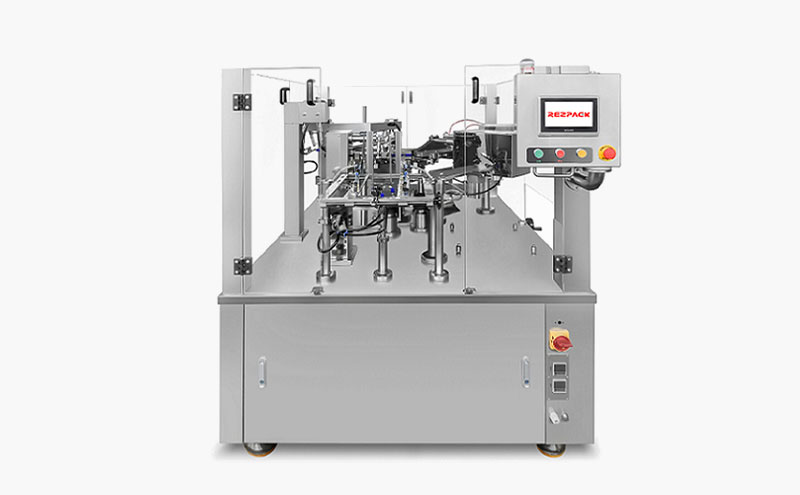
| Bag Width Range | 80-240 mm | Weight | 1500 kg |
| Bag Length Range | 150-370 mm | Total power | 3.02 kw |
| Filling weight | ≤ 1500g | Compress air | ≥ 0.4 m³/min |
| Max Speed | ≤ 60 bags/min | Dimensions | 1860 mm*1520 mm*1550 mm |
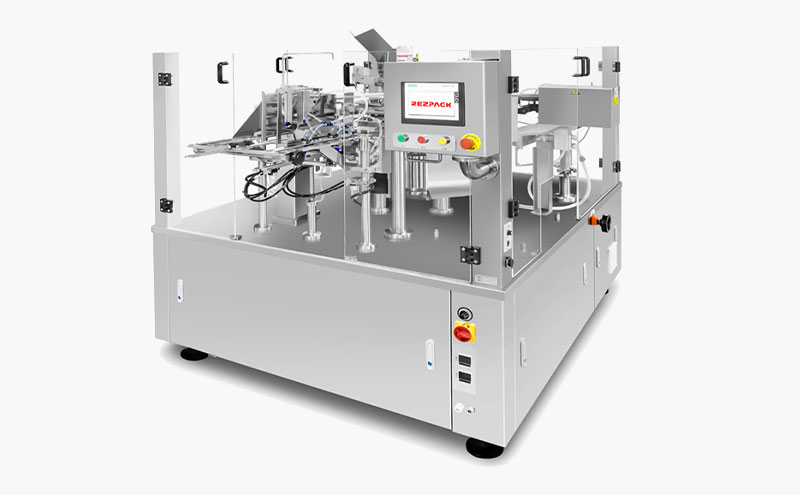
| Bag Width Range | 180-300 mm | Weight | 1800 kg |
| Bag Length Range | 150-450 mm | Total power | 3.62 kw |
| Filling weight | ≤ 2500 g | Compress air | ≥ 0.4 m³/min |
| Max Speed | ≤ 50 bags/min | Dimensions | 2080 mm*1720 mm*1650mm |
| Bag Width Range | 270-400 mm | Weight | 2500 kg |
| Bag Length Range | 150-600 mm | Total power | 3.62 kw |
| Filling Range | ≤ 5000g | Compress air | ≥ 0.4 m³/min |
| Max Speed | ≤ 30 bags/min | Dimensions | 2150 mm*2020 mm*1700 mm |