


 English
 Pусский
 Español
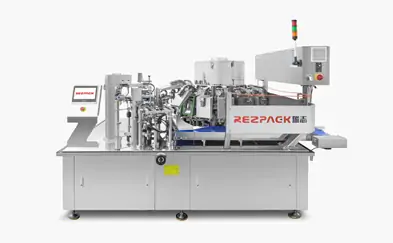
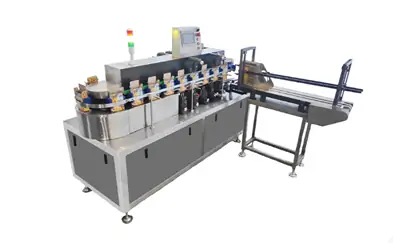
| Bag Width Range | 80-240 mm | Weight | 1500 kg |
| Bag Length Range | 150-370 mm | Total power | 3.02 kw |
| Filling weight | ≤ 1500g | Compress air | ≥ 0.4 m³/min |
| Max Speed | ≤ 60 bags/min | Dimensions | 1860 mm*1520 mm*1550 mm |


A few years ago, a specialty coffee roaster faced a quiet crisis. Their beans lost aroma within weeks. Their nitrogen-flushed bags still showed oxidation. Their manual sealer couldn't keep up with growing orders. They needed something faster, but speed meant nothing without preservation.
They eventually discovered that the real solution wasn't just a faster sealer—it was a different machine architecture entirely.
Today, rotary packing systems have moved beyond large meat plants into surprising corners of the food industry. Here are five real-world applications where this technology solves problems that conventional sealers cannot.
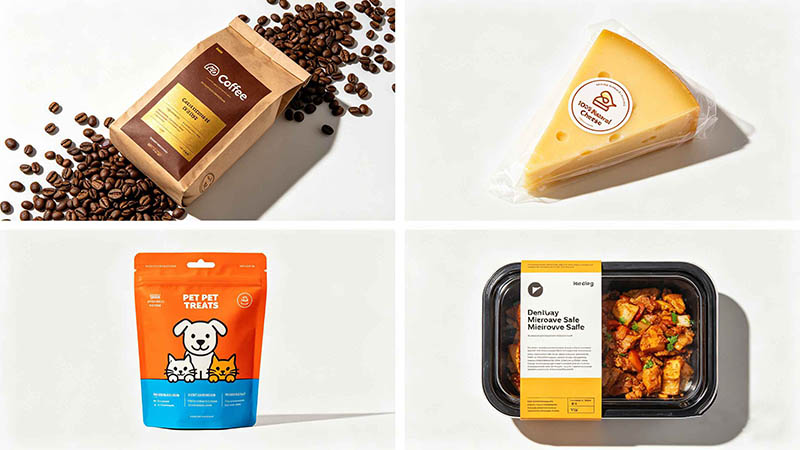
Ready-to-eat meal producers face a brutal contradiction. Consumers want fresh ingredients, but retailers want 45-day shelf lives. Conventional heat sealing leaves oxygen inside, which degrades colors and promotes bacterial growth.
Rotary systems solve this through a deeper vacuum pull combined with gas flush options. By removing up to 99% of oxygen, they slow oxidation without preservatives. One prepared meal manufacturer reported extending their refrigerated pasta shelf life from 21 to 42 days after switching to a rotary vacuum packaging machine with modified atmosphere capability.
The key is the continuous motion. Unlike single-chamber units that pause between cycles, rotary designs maintain consistent vacuum levels across thousands of packages per hour. This uniformity is critical for food safety audits.
Cheese is unforgiving. It sweats. It oils off. It sticks to sealing bars. And it absolutely requires oxygen-free environments to prevent mold.
Dairy processors have long favored rotary systems because they handle soft, sticky products without smearing. The rotating carousel allows longer vacuum dwell time while maintaining throughput. A Midwest cheese producer we interviewed said their rotary line processes 90 two-pound cheddar blocks per minute—something their previous intermittent-motion machine could never achieve.
The machine's sealing bars also stay cleaner because the continuous rotation naturally sheds residue. Some operators report going entire eight-hour shifts without stopping to clean sealing surfaces.
Frozen vegetables present a unique challenge: ice crystals. When a frozen product enters a vacuum chamber, ice can sublimate and re-freeze on sealing surfaces, creating poor seals. Worse, vacuum pressure can crush delicate items like berries or peas.
Rotary systems handle this better because they can use gentler vacuum profiles. Instead of one aggressive pull, modern controls apply staged vacuum levels—removing air gradually so delicate structures don't collapse.
One frozen fruit processor reduced their broken berry rate from 8% to under 1% by switching to a rotary platform with programmable vacuum curves. The machine also maintained seal integrity even when frost accumulated on the film, a common source of rejects in linear systems.
For specific technical data on how vacuum curve programming affects different frozen products, review this application note on delicate food handling.
The pet food market has exploded with premium, human-grade products. These often come in stand-up pouches with zippers—packaging that demands precise registration and consistent seal strength.
Rotary machines excel here because the pouch remains clamped throughout the cycle. Registration doesn't shift. Zippers stay aligned. And the continuous motion eliminates the "bounce" that can cause uneven fill levels in linear systems.
A pet treat manufacturer producing 500,000 pouches monthly told us their changeover time between different pouch sizes dropped from 45 minutes to 12 minutes after adopting a servo-driven rotary platform. They now run six different recipes in a single shift without overtime.
The same machine also handles rigid trays and flat pouches, giving contract packers the flexibility they need for seasonal product mixes. If your operation handles multiple package formats, explore multi-format capability examples to see typical changeover workflows.
Sterility requirements separate medical packaging from food applications. The stakes are higher. A failed seal means contamination risk and product recalls.
Medical device manufacturers use rotary systems for Tyvek pouches and thermoformed blister trays because the sealing parameters are repeatable to within tight tolerances. The continuous rotation eliminates variation introduced by operator loading speed or material tension changes.
One surgical kit assembler validated their rotary line for ISO 11607 compliance after running 10,000 consecutive seals with zero failures. Their previous linear system had a failure rate of 0.3%, which sounds small until you calculate recall costs for implanted devices.
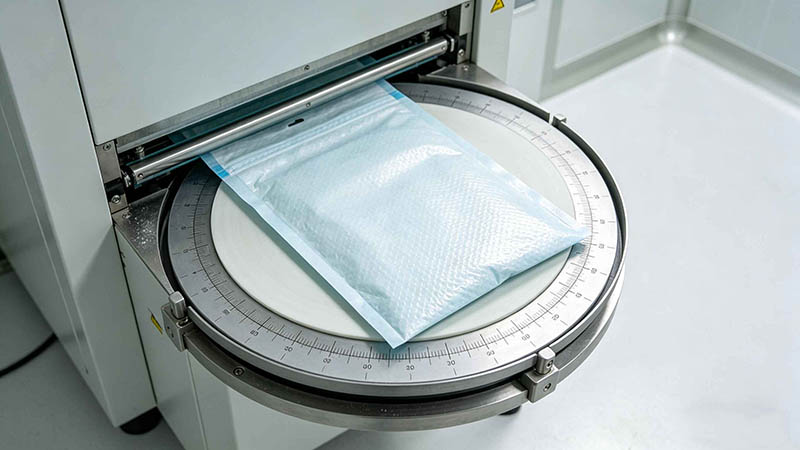
Beyond these common uses, rotary machines appear in surprising places: cannabis packaging (where child-resistant seals are mandatory), industrial desiccant pouches (where moisture control is critical), and even ammunition packaging (where a consistent vacuum prevents corrosion during long-term storage).
What all these applications share is a need for speed without sacrificing seal quality. The rotary design achieves this by keeping the product moving while maintaining precise control over vacuum, gas flush, and sealing temperature.
Rotary systems make sense when three conditions align:
You need more than 50 finished packages per minute
Your product benefits from a deep vacuum or a modified atmosphere
You run the same pouch format for hours or days at a time
If your operation checks these boxes, the technology likely pays for itself within 12-18 months through reduced labor and lower film waste.
However, rotary machines are an investment. Before committing, request a run-off using your actual product and film. Watch for seal consistency across the first and last pouches of the run. And ask about spare parts availability—heating elements and sealing bands should ship within 48 hours.
If you want to compare how different rotary platforms handle your specific product characteristics, request a sealed sample evaluation with documented vacuum levels and seal strength data.
Which of these five applications matches your product category—or do you have something completely different in mind? The right packaging solution starts with understanding your product's unique failure modes.
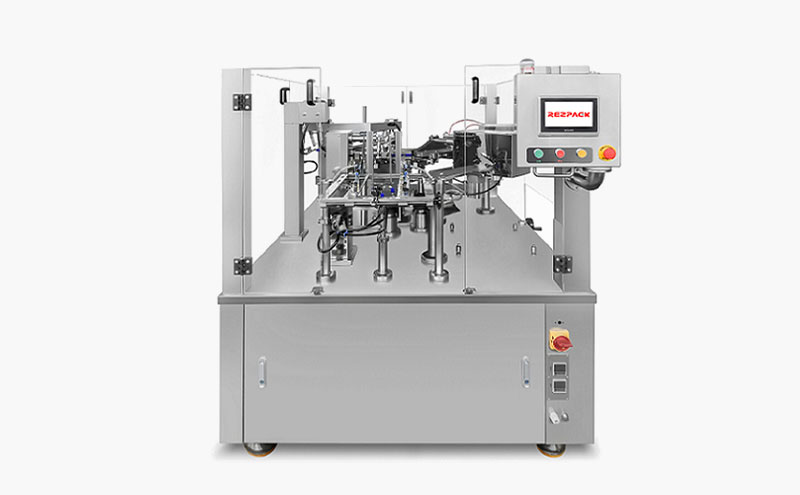
| Bag Width Range | 80-240 mm | Weight | 1500 kg |
| Bag Length Range | 150-370 mm | Total power | 3.02 kw |
| Filling weight | ≤ 1500g | Compress air | ≥ 0.4 m³/min |
| Max Speed | ≤ 60 bags/min | Dimensions | 1860 mm*1520 mm*1550 mm |
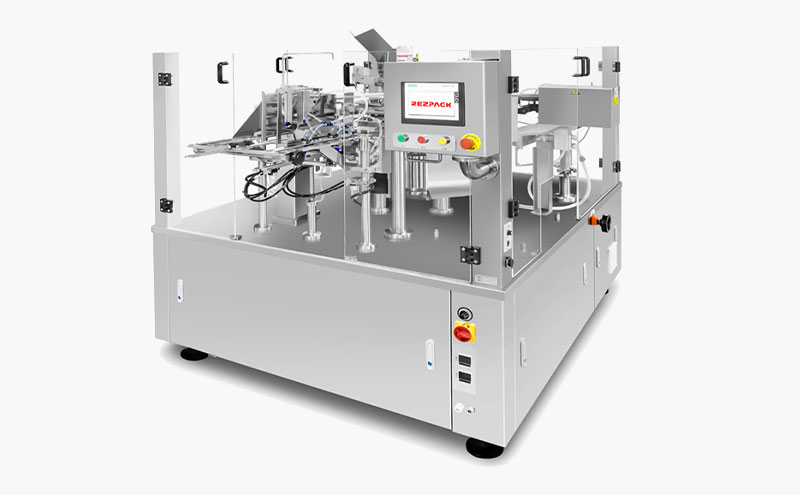
| Bag Width Range | 180-300 mm | Weight | 1800 kg |
| Bag Length Range | 150-450 mm | Total power | 3.62 kw |
| Filling weight | ≤ 2500 g | Compress air | ≥ 0.4 m³/min |
| Max Speed | ≤ 50 bags/min | Dimensions | 2080 mm*1720 mm*1650mm |
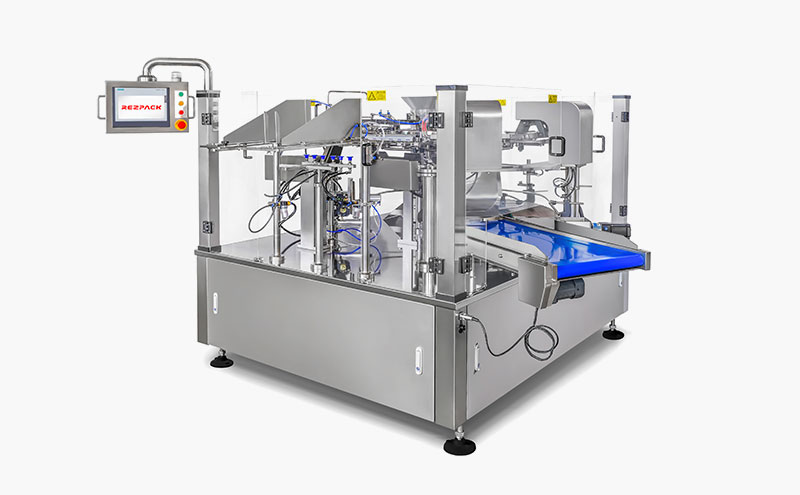
| Bag Width Range | 270-400 mm | Weight | 2500 kg |
| Bag Length Range | 150-600 mm | Total power | 3.62 kw |
| Filling Range | ≤ 5000g | Compress air | ≥ 0.4 m³/min |
| Max Speed | ≤ 30 bags/min | Dimensions | 2150 mm*2020 mm*1700 mm |