English
 Pусский
| Bag Width Range | 80-240 mm | Weight | 1500 kg |
| Bag Length Range | 150-370 mm | Total power | 3.02 kw |
| Filling weight | ≤ 1500g | Compress air | ≥ 0.4 m³/min |
| Max Speed | ≤ 60 bags/min | Dimensions | 1860 mm*1520 mm*1550 mm |


A snack food producer had just taken delivery of their new packaging line. Three weeks later, the machine sat idle. "It works fine on dry products," the plant manager explained, "but our nuts have oil on the surface. The seals fail within a week."
They had done their homework—or so they thought. They compared speeds. They checked prices. They even visited a trade show. But they missed one critical detail that their sales rep never mentioned.
That story repeats itself more often than equipment suppliers like to admit. After interviewing maintenance managers and production supervisors across five industries, seven preventable mistakes keep appearing. Here's what they are—and how to avoid them.
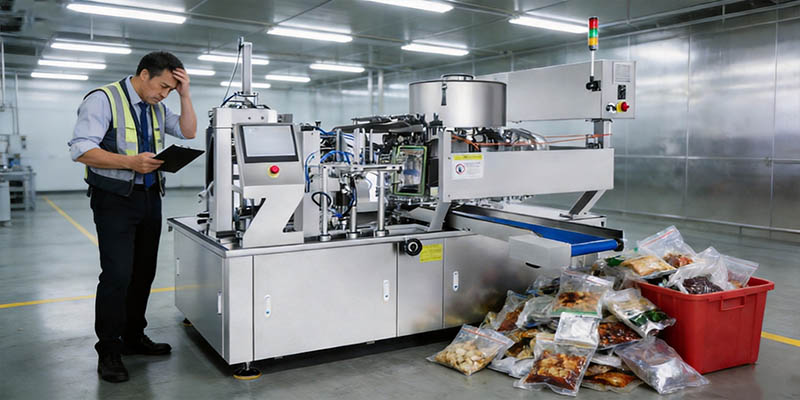
Every packaging machine looks good when fed bone-dry, room-temperature samples. But your production line isn't a laboratory. Your product comes off the line with moisture, dust, oil, or uneven temperatures.
The fix: Bring your worst-case product to the demo. Slightly frozen? Do it. Just marinated? Test it. Fine powder on the surface? Run it through. If the machine chokes on your hardest product, keep looking.
One meat processor learned this the hard way. Their chosen sealer worked beautifully—until they ran the first batch after cleaning, when surfaces were still damp. The machine rejected 40% of seals for two hours every shift.
A sales rep says, "60 cycles per minute." But what happens during a real shift? Film changes, seal cleaning, misfeed corrections, and jam clearances all eat into that number. A machine that claims 60 cycles might deliver 35 effective cycles per minute over an eight-hour shift.
The fix: Ask for production logs from existing customers running similar products. Calculate effective uptime = (actual good packages produced) ÷ (total shift time). Anything below 80% on similar applications is a red flag.
According to maintenance records from a 2023 industry survey, the gap between claimed and effective speed averages 25-35% for systems without tool-less change parts.
Walk onto any packaging floor, and you'll see it: operators working around a machine's flaws. Reaching awkwardly to load pouches. Squinting at cryptic error codes. Wiping sealing surfaces with rags because the design traps debris.
The fix: Before buying, ask to see the machine running with operators who weren't involved in the sales process. Watch their body language. Are they constantly adjusting something? Do they look tired by mid-shift?
A rotary vacuum packaging machine with thoughtful ergonomics—like angled pouch loading and intuitive touchscreen controls—can reduce training time from weeks to days. But that only matters if you actually test the interface before signing the PO.
Purchase price is visible. Film waste is invisible—until you see it on your P&L. Some machines waste 2-3 inches of film per cycle as "leader" material. Others require long test seals after every changeover.
The fix: Calculate annual film waste before comparing quotes. Formula: (wasted inches per cycle) x (cycles per day) x (operating days) x (film cost per foot). A machine that costs $10,000 less but wastes an extra $8,000 in film annually isn't a bargain.
One freeze-dried fruit packer discovered their "budget-friendly" sealer consumed 18% more film than the premium alternative. Over three years, the film savings alone paid for the upgrade.
A heating element fails. A sealing band wears out. How long until you're running again? Some suppliers stock common parts locally. Others require air freight from overseas—and you pay the bill.
The fix: Request a complete consumables and wear parts list with current pricing and typical lead times. Ask: "What parts fail most often? Which ones ship same-day?" Avoid suppliers who can't answer both questions.
A beverage co-packer we interviewed learned this after their sealing band failed on a Friday afternoon. The replacement arrived on Wednesday—four production days lost. Their rush shipping cost exceeded the part price by 600%.
Different products need different vacuum depths. Crumbly items need a gentle, staged vacuum to avoid crushing. Dense items need a deep, aggressive pull to remove trapped air. Liquid-containing products need controlled rise rates to prevent boil-over.
The fix: Ask about programmable vacuum curves. Can the machine store multiple profiles? Can operators switch between them without reprogramming parameters? If the answer is "fixed vacuum level only" and you run more than one product type, keep shopping.
For a detailed comparison of vacuum control systems and their real-world impact on different product categories, You can contact us to obtain the technical guide for programmable vacuum parameters.
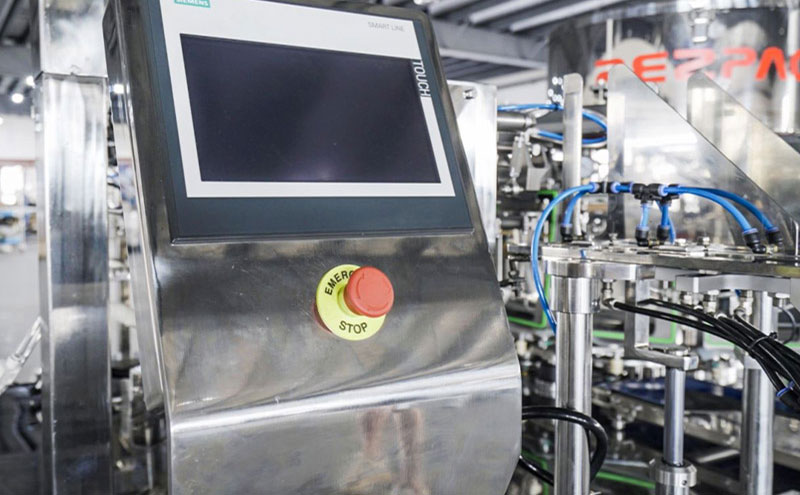
Watching a machine at a trade show or supplier demo center tells you very little. The conditions are controlled. The operators are experts. The product is pre-screened.
The fix: Insist on a full-day site visit to an existing customer running a similar product. Watch the machine start up cold. Watch it through a product changeover. Watch what happens when something jams. That's the real test.
If a supplier hesitates to arrange a site visit, consider that a significant warning sign. Transparent manufacturers welcome these visits because they know their machines perform under real conditions.
Most of these mistakes share a common root: urgency. A new contract requires capacity. A seasonal spike is coming. A competitor just upgraded. So you rush.
But the data tells a different story. According to an analysis of 47 packaging line investments, projects that included at least three site visits and two product trials had 82% fewer change orders and 67% faster time-to-full-production than rushed purchases.
Before signing anything, verify these five items:
| What to Check | Why It Matters |
|---|---|
| Worst-case product test | Reveals seal failures that perfect samples hide |
| Effective uptime data | Exposes the gap between claimed and real speed |
| Operator ergonomics | Determines real-world productivity and retention |
| Annual film waste calculation | Often exceeds purchase price differences |
| Spare parts lead times | Directly impacts the cost of unplanned downtime |
The best packaging machine isn't the fastest or cheapest—it's the one that runs reliably with your actual product, your actual operators, and your actual shift schedule.
If you're currently evaluating high-speed vacuum sealing equipment and want to see how these seven mistakes apply to specific machine configurations, Request the pre-purchase evaluation checklist with detailed scoring criteria for each defect category.
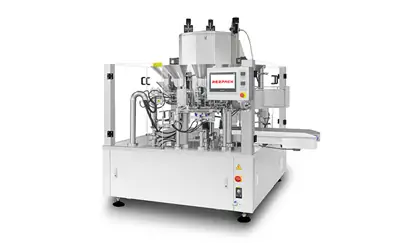
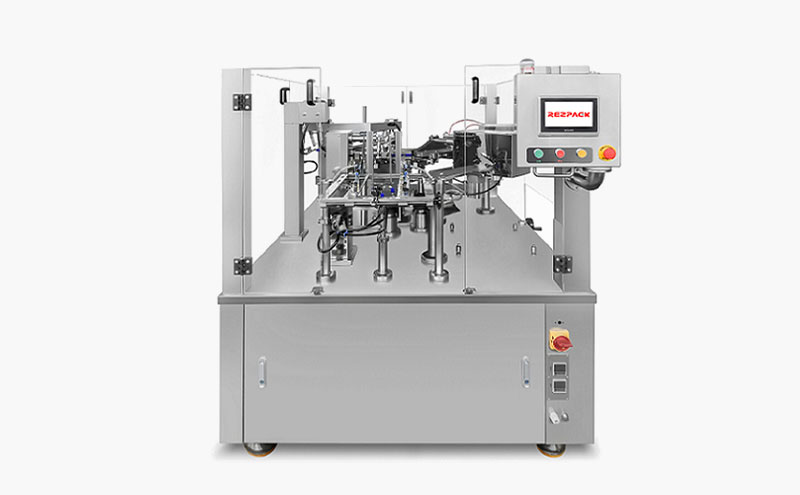
| Bag Width Range | 80-240 mm | Weight | 1500 kg |
| Bag Length Range | 150-370 mm | Total power | 3.02 kw |
| Filling weight | ≤ 1500g | Compress air | ≥ 0.4 m³/min |
| Max Speed | ≤ 60 bags/min | Dimensions | 1860 mm*1520 mm*1550 mm |
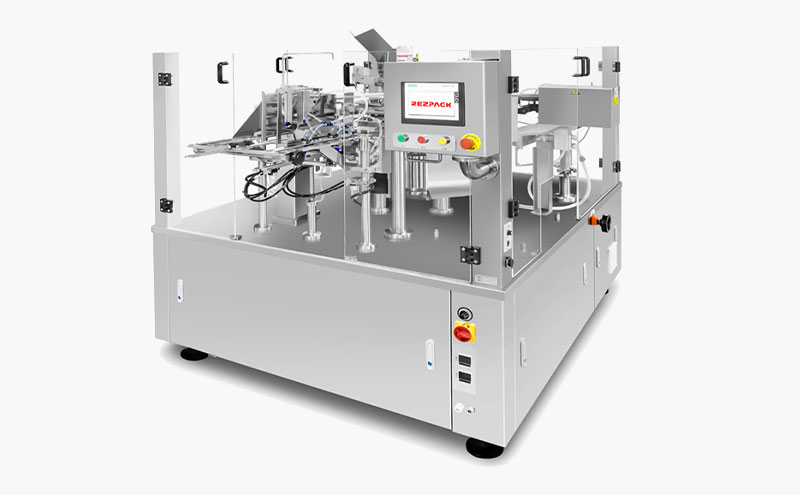
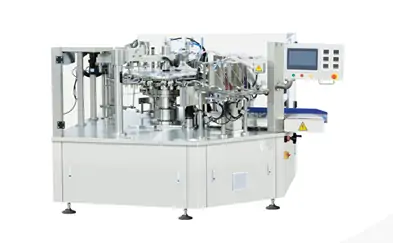
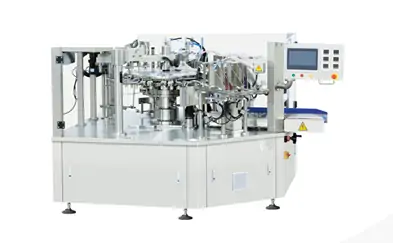
| Bag Width Range | 180-300 mm | Weight | 1800 kg |
| Bag Length Range | 150-450 mm | Total power | 3.62 kw |
| Filling weight | ≤ 2500 g | Compress air | ≥ 0.4 m³/min |
| Max Speed | ≤ 50 bags/min | Dimensions | 2080 mm*1720 mm*1650mm |
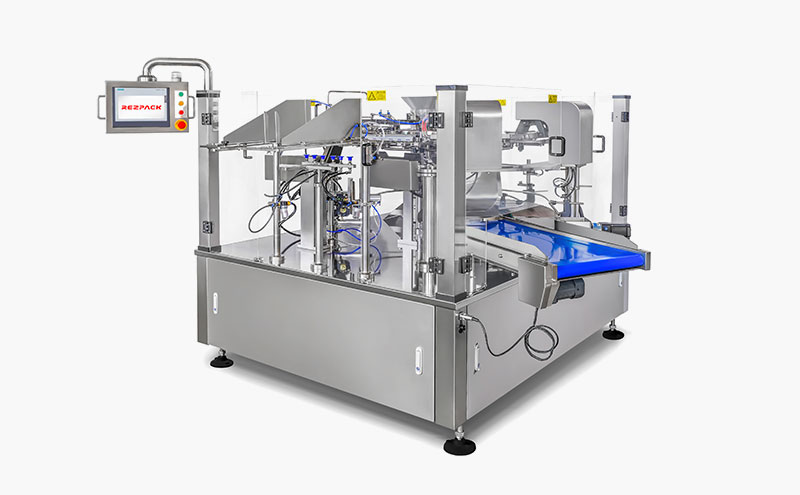
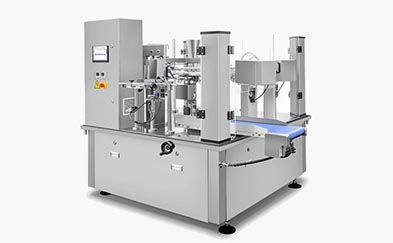
| Bag Width Range | 270-400 mm | Weight | 2500 kg |
| Bag Length Range | 150-600 mm | Total power | 3.62 kw |
| Filling Range | ≤ 5000g | Compress air | ≥ 0.4 m³/min |
| Max Speed | ≤ 30 bags/min | Dimensions | 2150 mm*2020 mm*1700 mm |