


 English
 Pусский
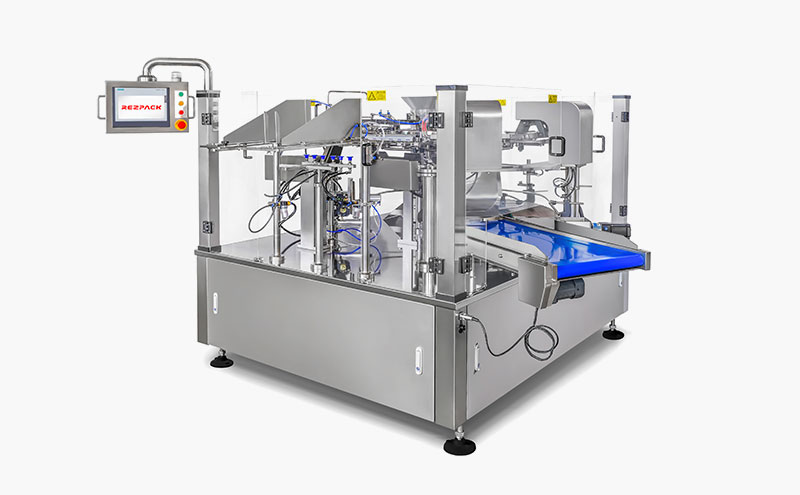
| Bag Width Range | 80-240 mm | Weight | 1500 kg |
| Bag Length Range | 150-370 mm | Total power | 3.02 kw |
| Filling weight | ≤ 1500g | Compress air | ≥ 0.4 m³/min |
| Max Speed | ≤ 60 bags/min | Dimensions | 1860 mm*1520 mm*1550 mm |


You’ve seen them a thousand times. Stand-up pouches with zippers on supermarket shelves. Flat pouches of coffee with one-way valves. Doypacks of baby food. What you probably haven’t seen is the machine that fills and seals them—because a good packaging line runs quietly in the background.
For many small and mid-sized businesses, moving from hand-filling to automated pouch packaging feels like a leap. The terminology alone can be intimidating. Pick fill seal. Rotary indexer. Intermittent motion. Vacuum gas flush.
This guide breaks down exactly what a premade pouch packaging machine does, how it works, and what you need to know before buying one.
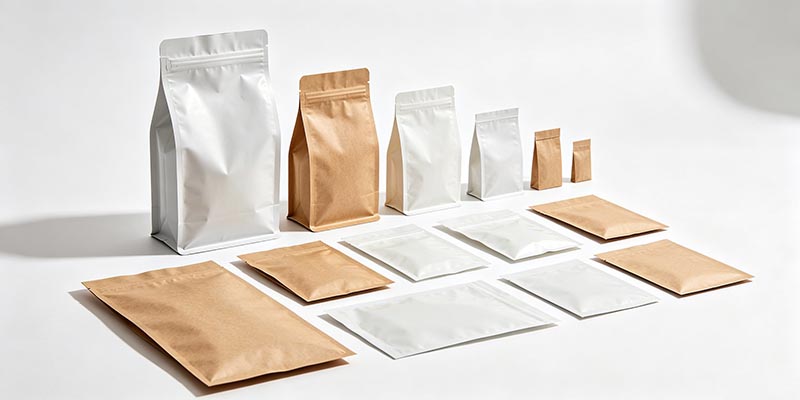
Simply put, this type of equipment takes pre-manufactured bags (pouches) that already have their bottom and side seals, opens them, fills them with product, and seals the top—all automatically.
The term “premade” distinguishes these machines from form-fill-seal systems, which create bags from a roll of flat film. Premade pouch machines are more flexible with bag styles (stand-up, flat, zipper, spout) and materials (foil, clear film, kraft paper laminate).
A complete cycle typically includes:
Pick – A suction cup or gripper pulls a single pouch from a magazine
Open–air jets or mechanical fingers open the pouch mouth
Fill – Product drops through a funnel or multi-head weigher
Seal – Heat sealing bars close the top, sometimes after vacuum or gas flush
Before diving into machine types, it helps to understand the main parts that work together.
| Component | Function |
|---|---|
| Pouch magazine | Holds a stack of premade pouches and feeds one at a time |
| Pick-and-place arm | Transfers pouches to the carousel or indexing conveyor |
| Opening station | Uses suction or mechanical fingers to open the pouch mouth |
| Filler interface | Connects to an auger, cup filler, or weigher |
| Seal station | Applies heat and pressure to seal the top of the pouch |
| Discharge conveyor | Moves finished pouches to downstream checkweighers or packers |
Premade pouch machines come in two primary configurations: linear and rotary. The difference matters for speed, footprint, and changeover time.
Linear machines move pouches forward on a straight path, stopping at each station. This design is simpler, often less expensive, and works well for speeds up to 50 pouches per minute. Changeovers are usually faster because adjustments are straightforward.
Rotary machines mount pouches on a rotating carousel. The wheel turns continuously, so pouches never stop moving. This enables speeds from 60 to over 120 pouches per minute. Rotary designs also provide more consistent vacuum and sealing because the pouch stays clamped throughout the cycle.
For a deeper comparison of these two designs on real production floors, explore this side-by-side analysis of linear vs rotary performance.
Let’s walk through a complete cycle on a mid-speed rotary platform. Even if you’re considering a linear machine, the basic steps are similar.
Step 1: Pouch feeding. A stack of pouches sits in a magazine. A suction cup pulls the front pouch forward while air jets prevent double picks. The pouch is transferred to a clamp on the carousel.
Step 2: Pouch opening. As the carousel rotates, the pouch passes under an opening station. Two suction cups pull the front and back panels apart. Sensors confirm the pouch is fully open before the product drops.
Step 3: Filling. The open pouch moves under a filler discharge. Product falls in—everything from coffee beans to pet treats to liquid soap. Some systems use a vibratory fill to settle product and reduce air pockets.
Step 4: Pre-seal (optional). For dusty or fine products, a pre-seal tacks the top edges together to prevent contamination of the final seal area.
Step 5: Vacuum or gas flush (optional). For extended shelf life, the machine can remove oxygen and replace it with nitrogen before sealing. This is common for coffee, nuts, and dried meat.
Step 6: Final sealing. Heated bars press the top of the pouch for a specific dwell time. Temperature and pressure are carefully controlled. A cooling bar may follow to set the seal.
Step 7: Discharge. The finished pouch is released onto a conveyor. Rejected pouches (if a sensor detects an issue) are diverted to a separate chute.
The entire process, from pick to discharge, typically takes 1 to 3 seconds per pouch on a rotary system.
Premade pouch machines handle an incredibly wide range of products:
Granular: coffee beans, rice, nuts, seeds, pet food
Powder: protein powder, flour, spice blends, infant formula
Liquid: sauces, oils, ready-to-drink beverages
Solid pieces: candy, dried fruit, frozen vegetables, hardware
The key requirement is that the product must flow predictably through a filler. Sticky, stringy, or oversized items may need specialized fillers.
Myth: “Premade pouches cost more than rollstock film.”
Fact: While the pouch itself costs slightly more, the machine is simpler, and changeover is faster. For short to medium runs with multiple SKUs, premade often wins on total cost.
Myth: “You need highly trained operators.”
Fact: Modern machines with touchscreen controls and recipe storage reduce training to hours, not weeks. One contract packer reported training new operators in under two hours.
Myth: “Rotary machines are only for huge factories.”
Fact: Compact rotary designs now fit in small footprints. A 120-pouch-per-minute rotary line often occupies less floor space than a 50-pouch-per-minute linear line.
A rotary premade pouch pick fill seal machine makes sense when you need sustained speeds above 55 pouches per minute, especially with vacuum or gas flush. The continuous motion delivers consistent seal quality even at high output.
Linear machines still dominate for slower lines, frequent changeovers, or tight capital budgets. Many small roasters and bakeries start with a linear machine and upgrade to rotary as they grow.
To see real-world examples of which businesses choose rotary versus linear, browse application case studies from food and non-food packers.
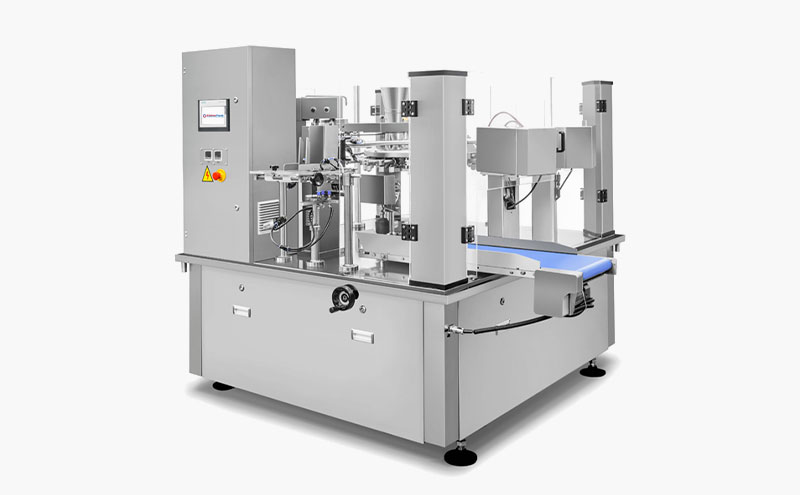
Every pouch machine needs regular attention. The most common wear items are:
Suction cups (replace every 3-6 months)
Sealing bands and Teflon tape (monthly inspection)
Heating elements (6-12 months depending on usage)
The difference between good and great machines is tool-less access. If you need a wrench to change a suction cup or a sealing band, downtime adds up. Machines with quick-release components and accessible guarding significantly reduce maintenance time.
Ask yourself three questions:
Do you use stand-up pouches, flat pouches, or bags with zippers/spouts? If yes, premade machines are your best option.
Is your current hand-filling or semi-auto line costing you labor hours? Automation typically pays back within 12-18 months for lines running 30+ pouches per minute.
Will your volume grow beyond 50 pouches per minute? If yes, consider rotary from the start to avoid upgrading twice.
Understanding what a premade pouch packaging machine does is the first step. The second step is matching the right configuration—rotary vs linear, vacuum vs standard seal, servo-driven vs pneumatic—to your actual product and shift schedule.
If you’re ready to move beyond the basics and evaluate specific models for your product type, review detailed specifications, and request a product matching consultation.
Have you already narrowed down your speed requirements, or are you still exploring options? Knowing your target output per minute makes the next conversation much more productive.
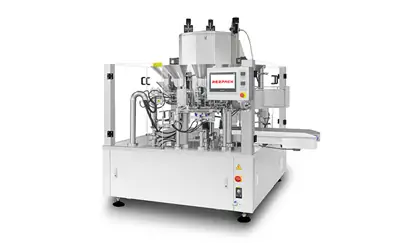
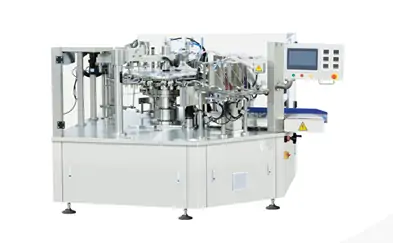
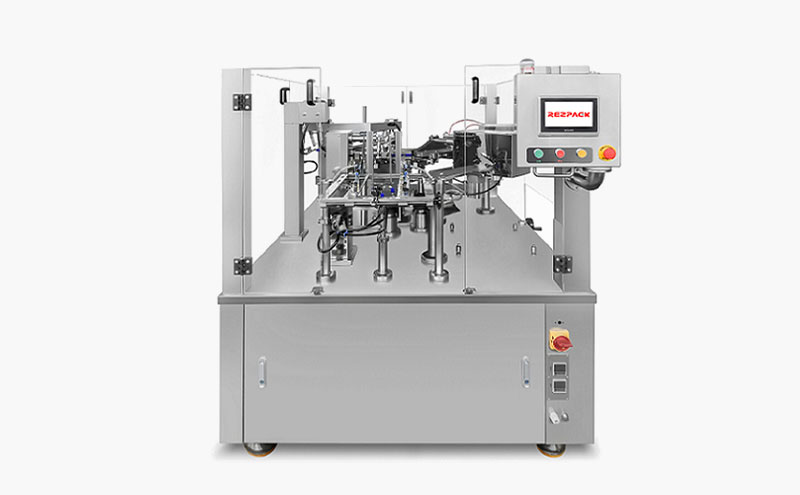
| Bag Width Range | 80-240 mm | Weight | 1500 kg |
| Bag Length Range | 150-370 mm | Total power | 3.02 kw |
| Filling weight | ≤ 1500g | Compress air | ≥ 0.4 m³/min |
| Max Speed | ≤ 60 bags/min | Dimensions | 1860 mm*1520 mm*1550 mm |
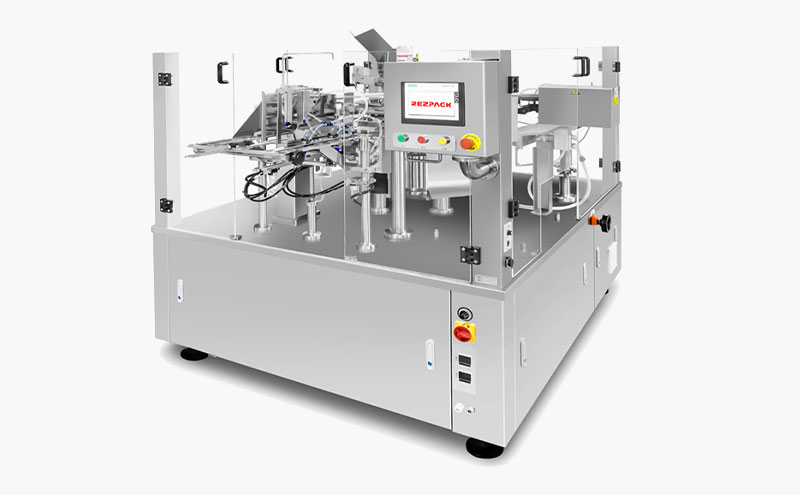
| Bag Width Range | 180-300 mm | Weight | 1800 kg |
| Bag Length Range | 150-450 mm | Total power | 3.62 kw |
| Filling weight | ≤ 2500 g | Compress air | ≥ 0.4 m³/min |
| Max Speed | ≤ 50 bags/min | Dimensions | 2080 mm*1720 mm*1650mm |
| Bag Width Range | 270-400 mm | Weight | 2500 kg |
| Bag Length Range | 150-600 mm | Total power | 3.62 kw |
| Filling Range | ≤ 5000g | Compress air | ≥ 0.4 m³/min |
| Max Speed | ≤ 30 bags/min | Dimensions | 2150 mm*2020 mm*1700 mm |