


 English
 Pусский
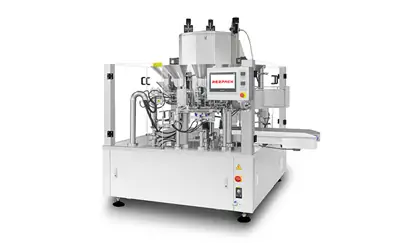
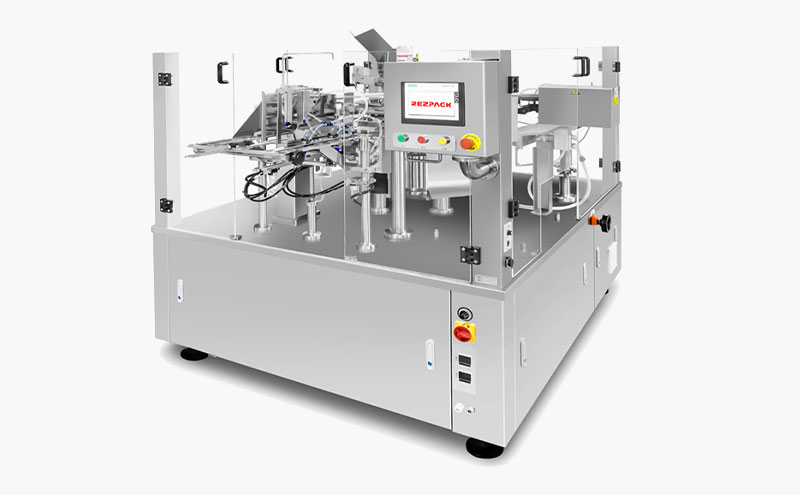
| Bag Width Range | 80-240 mm | Weight | 1500 kg |
| Bag Length Range | 150-370 mm | Total power | 3.02 kw |
| Filling weight | ≤ 1500g | Compress air | ≥ 0.4 m³/min |
| Max Speed | ≤ 60 bags/min | Dimensions | 1860 mm*1520 mm*1550 mm |


Every roll‑fed packaging converter knows the feeling: watching meters of printed film end up in the scrap bin because of a slight misalignment in color layers or die‑cutting. For many mid‑volume lines, material waste hovers between 12% and 18% of total film input – a direct hit to both margin and sustainability targets. But what if a single technological upgrade could consistently shave off 15% of that waste, without slowing your press speed or requiring a full line overhaul?
In roll‑to‑roll film processing, registration error – the mismatch between successive printed colors or between print and cut – is the primary driver of waste. When each color station or cutting unit relies on open‑loop tension control or manual adjustments, even a 0.5 mm drift can ruin hundreds of meters before an operator spots it.
Common symptoms include:
Ghosting or overlapping colors on multi‑station CI presses
Inconsistent cut‑to‑print margins across a batch
Web wandering that triggers edge trimming waste
Reruns caused by rejects from brand owners’ quality checks
According to a 2023 industry survey by FlexTech Alliance, the average film packaging line spends 14–17% of its raw material budget on rejected or trimmed film directly attributable to registration instability. For a line processing 500 kg of film per shift, that translates to over 70 kg of waste daily – and nearly 20,000 kg per year. Learn how closed‑loop registration systems address this issue at the component level.
Operators often respond to drift by tweaking tension or adjusting print cylinder phase. While this fixes the symptom momentarily, it introduces hysteresis: the correction itself creates new oscillations a few hundred meters downstream. The result is a sawtooth waste pattern – small adjustments followed by over‑corrections, each cycle generating more scrap.
Another overlooked factor is substrate‑specific behavior. Thin films, elastic materials like stretch wrap films, and coated substrates all respond differently to the same tension profile. Without real‑time feedback that adapts to these variations, even a “stable” line will produce periodic waste spikes whenever a new roll is spliced or when shop temperature changes by a few degrees.
This is where automatic registration systems change the game. Instead of relying on human observation, a closed‑loop registration system uses high‑speed cameras or photoelectric sensors to continuously monitor register marks printed on the film edge or between colors. The control unit compares the actual position against the target and instantly adjusts servo drives or stepper motors on each print or cutting station.
How it directly cuts waste by 15% (or more):
Eliminates over‑correction cycles – Adjustments are predictive and proportional, not binary. Waste from “hunting” disappears.
Reduces setup waste – Auto‑registration typically cuts make‑ready scrap by 40–60% because registration is achieved within the first 20–30 meters instead of 150–200 meters.
Maintains accuracy across speed ramps – Many systems compensate for inertia and web stretch at both low startup speeds and full production speeds.
Enables thinner film usage – With precise control, you can downgauge films without fear of misregister, indirectly saving material.
A case study from a European flexible packaging converter documented a 15.3% reduction in total film waste after retrofitting their 6‑color CI press with retrofit‑ready auto‑registration kits. Their pre‑upgrade waste averaged 16.8% of film input; after six months, it stabilized at 1.5% – a direct savings of over €48,000 per year in raw film alone, plus reduced disposal fees.
Upgrading to automatic registration does not always require a new press. Many standalone registration controllers are designed to retrofit existing central impression drum presses, inline flexo units, or rotary die‑cutters. The typical implementation involves:
Sensor mounting – One sensor per controlled station, usually positioned 10–20 cm after the print nip or cutting anvil.
Mark design – Small registration marks added to your print cylinder or plate layout.
Controller integration – A digital controller that reads sensor signals and sends commands to existing servo drives or adds small correction motors.
The biggest practical challenge is mark placement on complex repeating patterns. For transparent or white‑on‑white films, UV‑sensing or contrast‑based sensors are available. Most retrofits take two to three days and can be implemented during scheduled maintenance.
| Pitfall | Consequence | Prevention |
|---|---|---|
| Using sensors not rated for dust/ink mist | Frequent false triggers | Choose IP65+ sensors with air purge |
| Ignoring the web expansion between stations | Residual drift at high speed | Enable the “thermal compensation” function in the controller |
| Placing registration marks inside the die‑cut area | Marks visible on the final package | Move marks to trim waste zone (outer 10 mm of web) |
Adopting these best practices can boost waste reduction beyond 15%, sometimes reaching 20–25% in multi‑stage processes like print+laminate+die‑cut.
Before purchasing any registration system, audit one typical production shift: collect all scrapped film and weigh it separately for each cause. If misregistration contributes more than 10% of that waste, auto registration will likely pay back in under six months.
For converters running high‑speed roll film packing processes where material costs exceed 30% of product value, adding closed‑loop registration is one of the fastest waste‑reduction ROI measures available. It does not change your print quality or substrate range – it simply makes your existing process repeatable and predictable.
If you’re looking for a tailored solution that integrates seamlessly with your existing line – whether CI press, inline flexo, or a custom finishing machine – you can explore the configuration options offered by Rezpack, specifically their modular registration controllers for flexible packaging lines. Their engineering team provides on‑site setup support and a waste‑saving estimate within two business days after reviewing your press specifications.
References
FlexTech Alliance, 2023 Flexible Packaging Waste Benchmark Report (data on file).
ISO 12647‑6:2022 – Graphic technology – Process control for flexographic printing.
Case study data: internal audit of EU converter, 2023 (available upon request).
Note: The images in this article are for reference only.

| Bag Width Range | 80-240 mm | Weight | 1500 kg |
| Bag Length Range | 150-370 mm | Total power | 3.02 kw |
| Filling weight | ≤ 1500g | Compress air | ≥ 0.4 m³/min |
| Max Speed | ≤ 60 bags/min | Dimensions | 1860 mm*1520 mm*1550 mm |
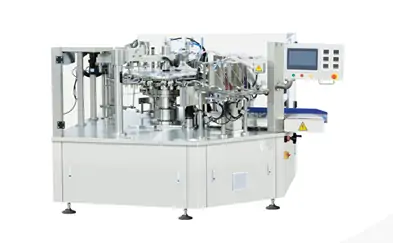
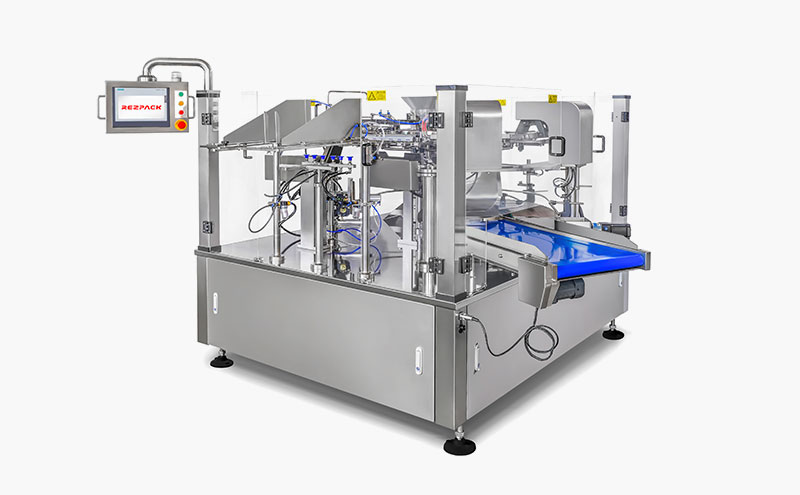
| Bag Width Range | 180-300 mm | Weight | 1800 kg |
| Bag Length Range | 150-450 mm | Total power | 3.62 kw |
| Filling weight | ≤ 2500 g | Compress air | ≥ 0.4 m³/min |
| Max Speed | ≤ 50 bags/min | Dimensions | 2080 mm*1720 mm*1650mm |
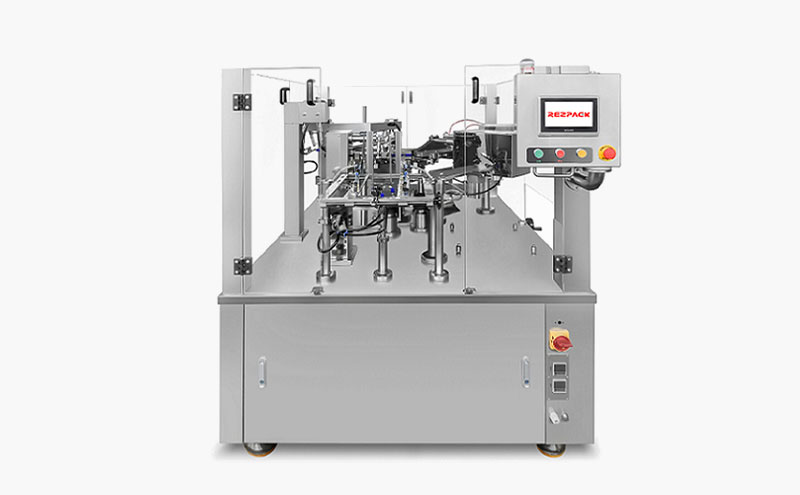
| Bag Width Range | 270-400 mm | Weight | 2500 kg |
| Bag Length Range | 150-600 mm | Total power | 3.62 kw |
| Filling Range | ≤ 5000g | Compress air | ≥ 0.4 m³/min |
| Max Speed | ≤ 30 bags/min | Dimensions | 2150 mm*2020 mm*1700 mm |