


 English
 Pусский
| Bag Width Range | 80-240 mm | Weight | 1500 kg |
| Bag Length Range | 150-370 mm | Total power | 3.02 kw |
| Filling weight | ≤ 1500g | Compress air | ≥ 0.4 m³/min |
| Max Speed | ≤ 60 bags/min | Dimensions | 1860 mm*1520 mm*1550 mm |


The packaging floor in 2026 looks nothing like it did five years ago. Rising labor costs, tighter sustainability regulations, and unpredictable material supply chains have pushed operators to seek smarter, more reliable automation. But with so many “smart” promises, where should you focus your next investment?
In this article, we break down five real‑world automation trends that are already delivering measurable ROI for medium and large packaging lines. No buzzwords—just practical insights backed by industry data and on‑floor experience.
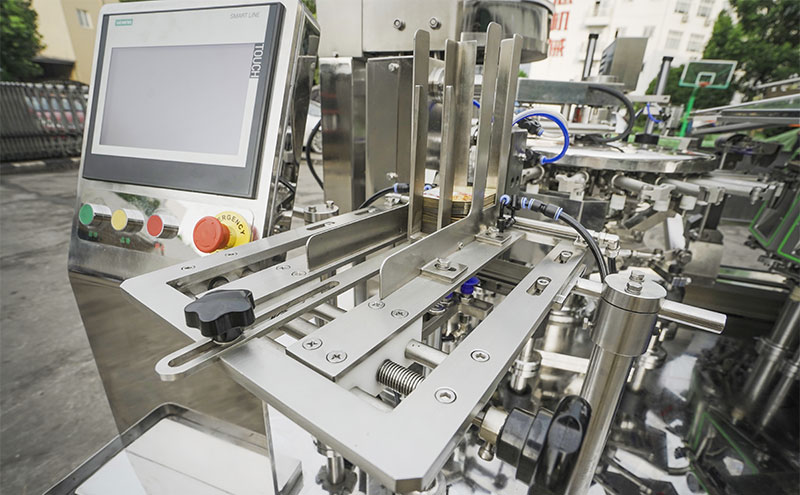
For years, packaging plants followed fixed maintenance calendars—replace a seal every 2,000 hours, lubricate bearings each month. That approach wastes labor and often misses early failures. By 2026, over 60% of new automated packaging machinery will include built‑in AI models that learn normal vibration, temperature, and current draw patterns.
Take a recent case from a Midwest dairy producer: after retrofitting their existing line with vibration sensors and an edge AI unit, they cut unplanned downtime by 73% in six months. The system flagged a degrading bearing 11 days before failure, allowing them to schedule repair during a planned changeover. For production managers, this means you can stop guessing and start trusting real‑time health scores.
If you are evaluating automated packaging machinery for high‑volume lines, look for systems that provide raw sensor data access, not just a red/green light. Open protocols let you integrate with your existing SCADA or CMMS.
The shift to mono‑material films, recycled content, and compostable substrates has created a headache for packaging engineers: these materials behave differently. They stretch more, seal at narrower temperature windows, and generate more static. Many operators feared that going green meant cutting line speed by 20% or more.
New automation solves this through adaptive tension control and real‑time temperature profiling. Advanced servo drives can adjust film feed force hundreds of times per second, compensating for variations in recycled PET or bio‑based PLA. A European snack brand switched to 30% PCR film on their vertical form‑fill‑seal lines—and maintained 98% of their original throughput after upgrading to adaptive drives.
Bottom line: You don’t have to choose between sustainability and productivity. The right integrated vacuum sealing technology automatically adapts to challenging materials, keeping your OEE high while reducing plastic waste.
Industrial robots have been around for decades, but they require safety cages, dedicated programmers, and large footprints. Collaborative robots change that. By 2026, cobots will handle over 40% of secondary packaging tasks—case packing, tray loading, and even bag top‑sealing assistance.
What makes them different? Built‑in torque sensors and vision guidance let a cobot work safely next to a human operator without fencing. Setup time drops from weeks to hours. For example, a small coffee roaster installed a single cobot arm to place valve bags into shipping cartons; the same arm now also helps with palletizing during peak shifts. Payback was under eight months.
A practical tip: When adding cobots, make sure your upstream equipment—such as your energy‑smart rotary systems—can communicate the exact product position and cycle timing. Otherwise, you’ll create a bottleneck at the transfer point.
Before cutting a single metal part for a new line, leading brands now build a digital twin—a virtual replica that simulates every sensor, motor, and conveyor. The technology has matured to the point where accuracy reaches 98–99% compared to physical commissioning.
Why does this matter for 2026? Because digital twins allow you to test “what if” scenarios without stopping production. Want to see if adding a second vacuum chamber will increase throughput by 15%? Run the simulation. Need to troubleshoot a recurring misfeed that only happens at 2 AM? Replay the event in the digital twin.
Early adopters report 50% shorter ramp‑up times for new product introductions and a 30% reduction in changeover errors. Some equipment providers now include a basic digital twin with every major machine—though the real value comes from integrating twins across all your line assets.
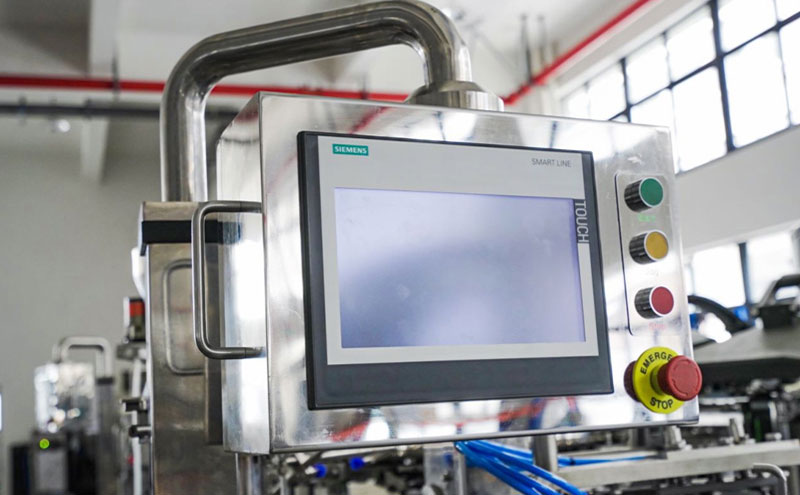
Vacuum sealing is essential for extending shelf life in food, medical, and electronic component packaging. But traditional vacuum pumps are energy hogs—often consuming as much power as the rest of the line combined. Newer designs use variable‑speed drives, oil‑free rotary claws, and intelligent cycle optimization.
Field data from a large meat processor shows that after replacing their constant‑speed vacuum pump with a demand‑controlled system, they saved 41% of sealing energy and reduced heat output into the plant, lowering air conditioning loads. The payback period was 14 months at $0.12/kWh.
For operations running 24/7, even a 10% improvement in vacuum efficiency can add tens of thousands of dollars annually to the bottom line. When you review your next equipment upgrade, ask for specific energy consumption figures per thousand cycles—not just peak power ratings.
Trends are useful, but execution matters. The five shifts above are not futuristic—they are already deployed in competitive packaging lines across North America and Europe. The challenge is finding equipment that integrates these capabilities without forcing you to replace your whole line at once.
That’s where modular, upgrade‑ready designs come in. Instead of locking you into a rigid “all or nothing” platform, some manufacturers build their machines with separate control modules for predictive diagnostics, material adaptation, and energy efficiency. You can start with the trend that hurts most—say, material waste—and add others later.
If you want to see how these automation principles apply to your specific products (wet or dry foods, pet food, chemical powders, or medical devices), it’s worth looking at a platform designed for real‑world flexibility. You can explore professional‑grade packaging equipment built around serviceability and low total cost of ownership.
Final thought: The best automation doesn’t demand that you become a data scientist or a robot programmer. It works quietly, adapts to your materials, and tells you exactly what needs attention—so you can focus on running a profitable, reliable packaging operation.
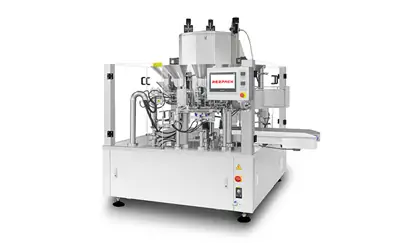
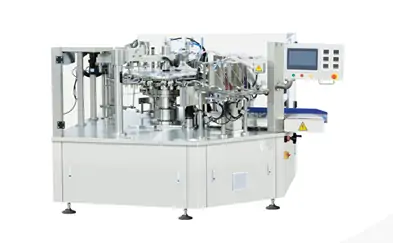
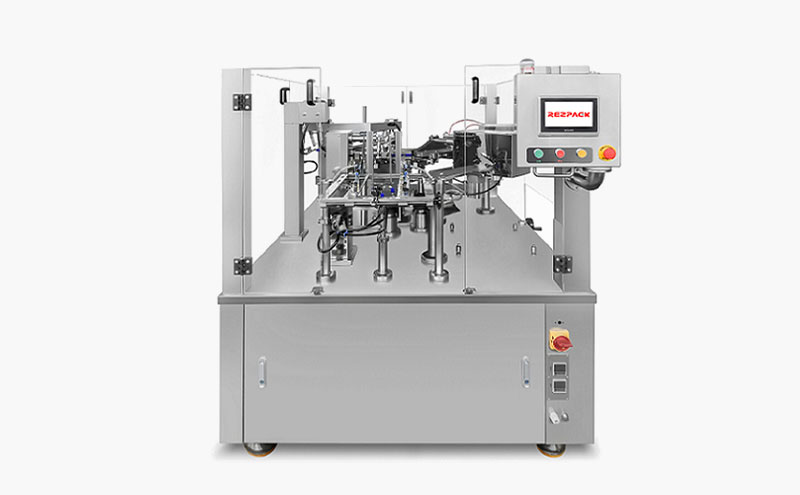
| Bag Width Range | 80-240 mm | Weight | 1500 kg |
| Bag Length Range | 150-370 mm | Total power | 3.02 kw |
| Filling weight | ≤ 1500g | Compress air | ≥ 0.4 m³/min |
| Max Speed | ≤ 60 bags/min | Dimensions | 1860 mm*1520 mm*1550 mm |
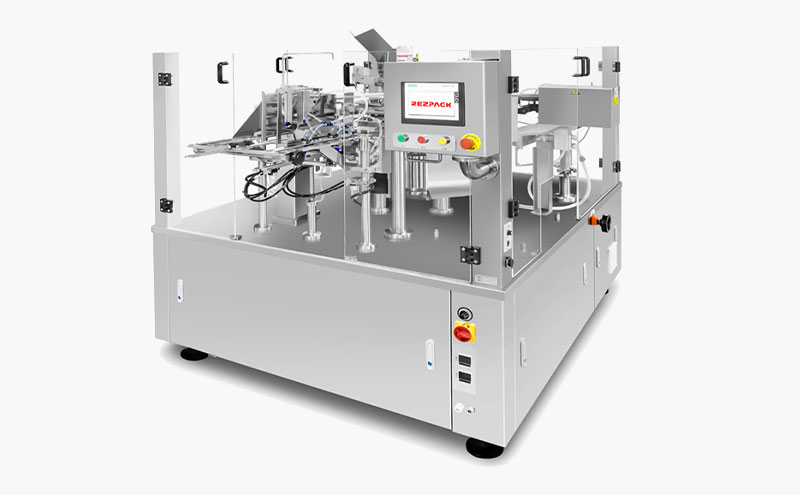
| Bag Width Range | 180-300 mm | Weight | 1800 kg |
| Bag Length Range | 150-450 mm | Total power | 3.62 kw |
| Filling weight | ≤ 2500 g | Compress air | ≥ 0.4 m³/min |
| Max Speed | ≤ 50 bags/min | Dimensions | 2080 mm*1720 mm*1650mm |
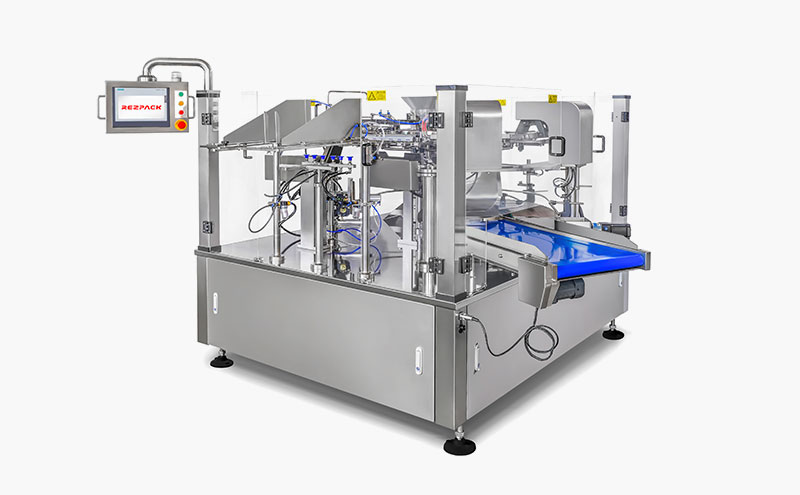
| Bag Width Range | 270-400 mm | Weight | 2500 kg |
| Bag Length Range | 150-600 mm | Total power | 3.62 kw |
| Filling Range | ≤ 5000g | Compress air | ≥ 0.4 m³/min |
| Max Speed | ≤ 30 bags/min | Dimensions | 2150 mm*2020 mm*1700 mm |