


 English
 Pусский
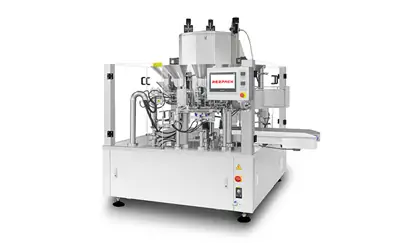
| Bag Width Range | 80-240 mm | Weight | 1500 kg |
| Bag Length Range | 150-370 mm | Total power | 3.02 kw |
| Filling weight | ≤ 1500g | Compress air | ≥ 0.4 m³/min |
| Max Speed | ≤ 60 bags/min | Dimensions | 1860 mm*1520 mm*1550 mm |


If your packaging line is struggling with frequent jams, inconsistent seals, or changeover downtime that eats into production targets, you’re not alone. Choosing the right rotary premade pouch fill seal machine is often the difference between a bottleneck and a bottleneck‑breaker. But with dozens of configurations – from sealing jaw materials to optional gas flushing modules – how do you make a future‑proof decision without overpaying for features you don’t need?
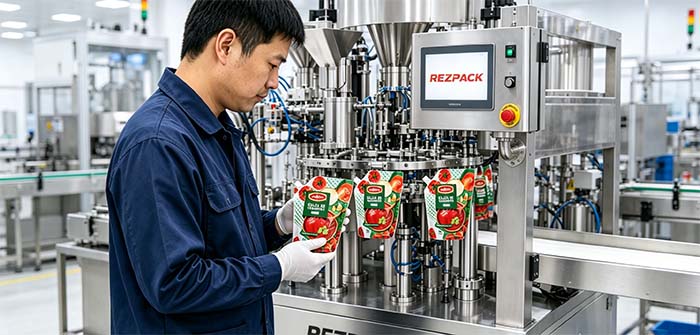
Before comparing any technical specs, calculate your peak output requirement and pouch size matrix. Most rotary machines run from 40 to 80 PPM, but high‑end models can exceed 100 PPM. A common mistake is targeting a machine that barely meets today’s volume – leaving no room for seasonal spikes or new product lines.
Ask yourself:
What is the smallest and largest pouch you will run?
Do you need to handle stand‑up pouches, flat pouches, or zip‑lock bags?
Will you run multiple SKUs in the same shift? If yes, changeover time under 10 minutes becomes critical.
For a detailed breakdown of how speed and pouch dimensions affect motor sizing and sealing dwell time, check our detailed specifications on high‑throughput pouch filling systems.
Over 60% of customer complaints about pouch packaging equipment relate to seal leaks or burn‑through. The root cause is often poor temperature control across the sealing jaws or inconsistent jaw pressure.
A reliable rotary machine should offer:
Independent temperature zones for front and back jaws
Servo‑driven jaw closing instead of pneumatic – ensures identical pressure every cycle
Cooling jaw option for heat‑sensitive products
Ask the supplier for a seal strength test report using ASTM F88/F2029 methods. If they can’t provide one, consider it a red flag.
Not all rotary machines handle flimsy or pre‑opened pouches equally. The device’s “pick and place” mechanism – how it takes a pouch from the magazine, opens it, and transfers it to the filling station – determines your waste rate.
Look for:
Vacuum‑assisted pick with adjustable suction delay for thin films
Double‑opening system for pouches that tend to stick
Pouch presence sensors at each station – stop the machine immediately if a pouch is missing, preventing product spillage.
If your product is powdery or contains small parts, also verify that the filling system integrates seamlessly with the rotary indexing. Many mid‑tier machines force you to choose between accurate filling and high speed. For applications that combine challenging pouches with dusty products, you can explore Rezpack’s integrated rotary pouch packing solutions.
Some suppliers quote an attractive base price but then lock you into expensive proprietary tooling for each pouch size change. A smarter approach: choose a machine with quick-change cassette-style jaws and universal pouch grippers that accept third‑party pouch magazines.
Compare two common architectures:
| Feature | Fixed‑format rotary | Modular rotary |
|---|---|---|
| Changeover time | 25–40 min | 6–12 min |
| Tooling cost per new pouch size | 1,200–1,200–2,500 | 350–350–700 |
| Downtime per changeover | High | Low |
| Flexibility for odd shapes | Limited | High |
For most contract packers and co‑packers, modularity pays back in less than four months if you run more than three different pouch sizes per week.
Many buyers watch a video of the machine running empty pouches and sign the PO. That’s like test‑driving a car only in neutral. Always request a FAT with your actual pouches and product – even if you need to ship 500 pouches and 10 kg of material.
During the FAT, measure:
Seal integrity
Fill weight accuracy
Reject rate
Noise level
If the supplier hesitates or charges excessive fees for a real‑material test, that tells you more than any brochure.
Even the best rotary machine will eventually need calibration or spare parts. Before finalising, ask:
Is the electrical diagram and PLC password provided openly?
Are wear parts stocked in your region?
Does the supplier offer remote diagnostics via VPN?
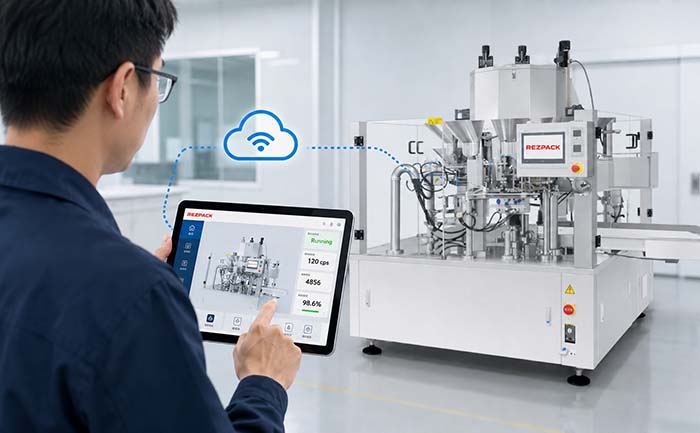
If you want a turnkey experience with documented FAT protocols and a 24‑hour spare parts dispatch, you can learn more about Rezpack’s rotary premade pouch systems – including a free changeover time audit for your current line.
Print this and take it with you:
Maximum speed (PPM) with your largest pouch thickness
Changeover time video proof
ASTM seal strength report
List of all wear parts with price and lead time
Three customer references running similar pouches and products
Choosing the right rotary premade pouch fill seal machine is a balancing act between speed, flexibility, and seal reliability. By prioritising modular tooling, demanding real‑material testing, and planning for post‑sale support, you can turn your packaging line into a competitive weapon rather than a constant firefight.
Note:
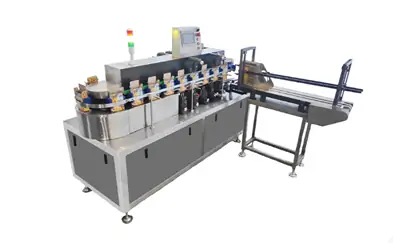
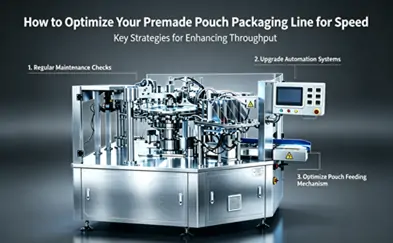

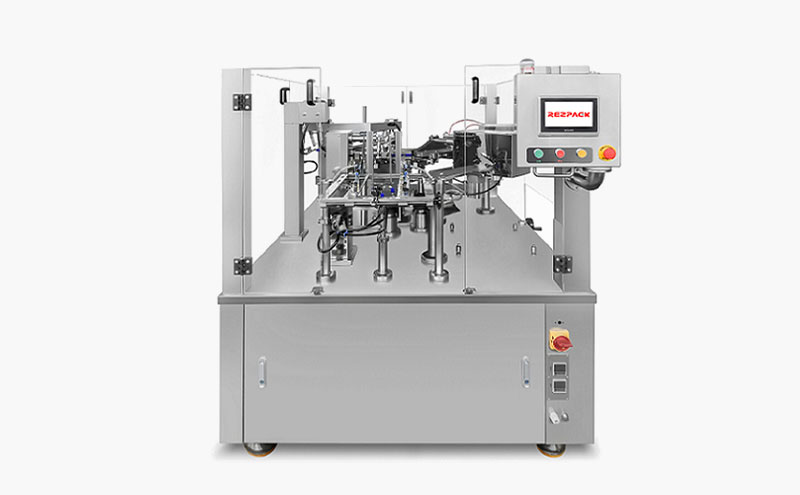
| Bag Width Range | 80-240 mm | Weight | 1500 kg |
| Bag Length Range | 150-370 mm | Total power | 3.02 kw |
| Filling weight | ≤ 1500g | Compress air | ≥ 0.4 m³/min |
| Max Speed | ≤ 60 bags/min | Dimensions | 1860 mm*1520 mm*1550 mm |
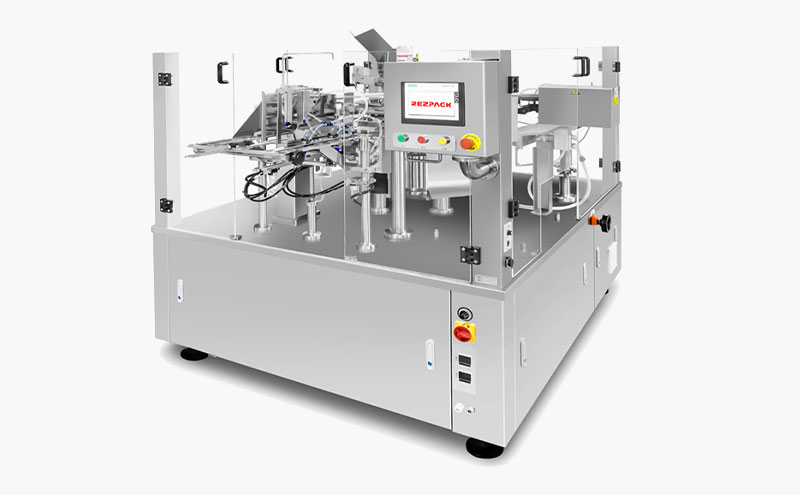
| Bag Width Range | 180-300 mm | Weight | 1800 kg |
| Bag Length Range | 150-450 mm | Total power | 3.62 kw |
| Filling weight | ≤ 2500 g | Compress air | ≥ 0.4 m³/min |
| Max Speed | ≤ 50 bags/min | Dimensions | 2080 mm*1720 mm*1650mm |
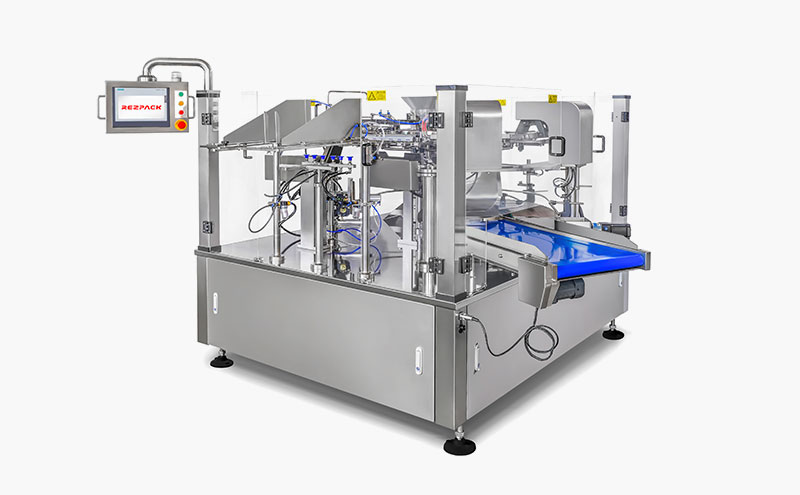
| Bag Width Range | 270-400 mm | Weight | 2500 kg |
| Bag Length Range | 150-600 mm | Total power | 3.62 kw |
| Filling Range | ≤ 5000g | Compress air | ≥ 0.4 m³/min |
| Max Speed | ≤ 30 bags/min | Dimensions | 2150 mm*2020 mm*1700 mm |