


 English
 Pусский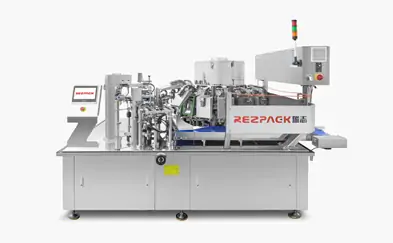
| Bag Width Range | 80-240 mm | Weight | 1500 kg |
| Bag Length Range | 150-370 mm | Total power | 3.02 kw |
| Filling weight | ≤ 1500g | Compress air | ≥ 0.4 m³/min |
| Max Speed | ≤ 60 bags/min | Dimensions | 1860 mm*1520 mm*1550 mm |


Understanding how Vertical Form Fill Seal (VFFS) packaging machines work is key to maximizing throughput, minimizing material waste, and elevating your line’s ROI. VFFS machines integrate three core tasks—forming bags from rollstock film, filling with product, and sealing the pouch—into a single automated vertical workflow, ideal for high-volume production of snacks, grains, powders, liquids, and frozen goods.
The VFFS process starts with rollstock film unwinding—a spool of flexible film (polyethylene, laminates, foil, or barrier films) is loaded onto the machine’s unwind station. Servo-driven brakes and edge position control (EPC) sensors maintain consistent film tension and alignment, preventing skewing or tearing that causes material waste. For pre-printed packaging, registration sensors align graphics perfectly on each bag, eliminating rejected pouches and boosting brand consistency.
The guided film passes over a forming collar/shoulder and wraps around a central forming tube, shaping into a continuous vertical tube. Pull-down belts or sealing jaws feed the film downward at a synchronized speed—adjustable for different bag sizes (no need for costly tooling changes for small batch runs). This step’s automation cuts labor costs and ensures uniform bag dimensions across production runs.
Heated vertical sealing bars clamp the overlapping edges of the film tube, melting and bonding them into a durable longitudinal seam (options: fin seal, lap seal, or pillow seal). The seal temperature and pressure are calibrated to the film type, preventing leaks that risk product spoilage and recall. This precision reduces post-packaging waste and protects your product’s shelf life.
Pre-measured product is dosed into the film tube through the central forming tube—integrated filling systems are tailored to product type:
Timing is critical: filling starts after the bottom seal forms and stops before the top seal closes, eliminating product spillage (a major source of waste). Accurate dosing reduces product giveaway, directly improving your line’s ROI.
Heated horizontal sealing jaws perform two key actions at once:
VFFS machines use two motion types for this step—critical for buyers researching speed options:
Optional nitrogen gas flushing can be added here to displace air, extending product shelf life by 2–3x (a top-selling point for food manufacturers).
Finished sealed pouches drop onto a conveyor belt, which feeds them to downstream equipment (checkweighers, X-ray inspectors, case packers, or cartoners). VFFS machines integrate seamlessly with existing production lines, reducing manual handling and line bottlenecks.
| Component | Function | Core Benefit (Tied to ROI/Waste Reduction) |
|---|---|---|
| Forming Tube | Shapes film into a tube | Adjusts for bag sizes 5–50cm wide; no costly tooling swaps |
| Servo Drives & Sensors | Syncs all machine motions | 99.9% seal accuracy; cuts rejected bags by 80% |
| Horizontal Sealing Jaws | Seals and cuts film | Dual-action design boosts throughput by 30% vs standalone machines |
| Gas Flushing System | Displaces air in bags | Extends product shelf life; reduces spoilage costs |
For factory decision-makers, VFFS machines deliver three unbeatable advantages that rank high in Google search queries:
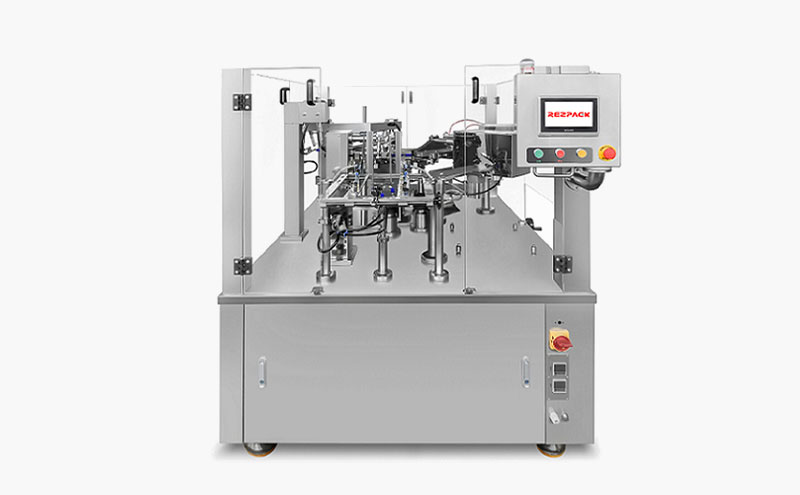
| Bag Width Range | 80-240 mm | Weight | 1500 kg |
| Bag Length Range | 150-370 mm | Total power | 3.02 kw |
| Filling weight | ≤ 1500g | Compress air | ≥ 0.4 m³/min |
| Max Speed | ≤ 60 bags/min | Dimensions | 1860 mm*1520 mm*1550 mm |
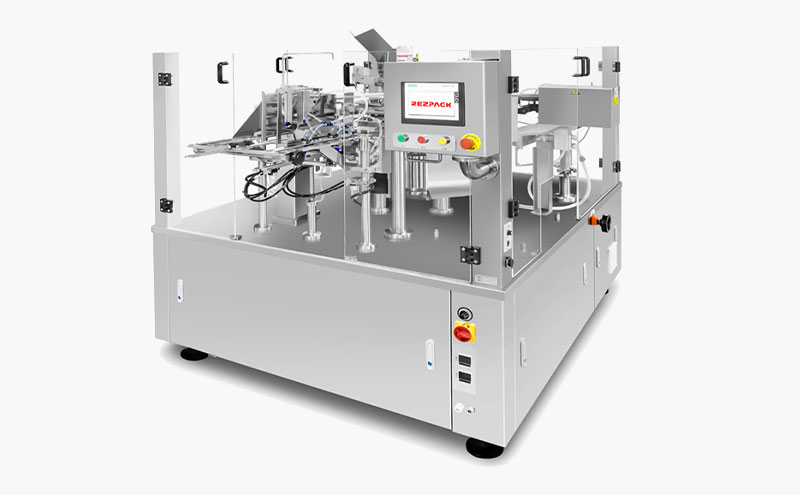
| Bag Width Range | 180-300 mm | Weight | 1800 kg |
| Bag Length Range | 150-450 mm | Total power | 3.62 kw |
| Filling weight | ≤ 2500 g | Compress air | ≥ 0.4 m³/min |
| Max Speed | ≤ 50 bags/min | Dimensions | 2080 mm*1720 mm*1650mm |
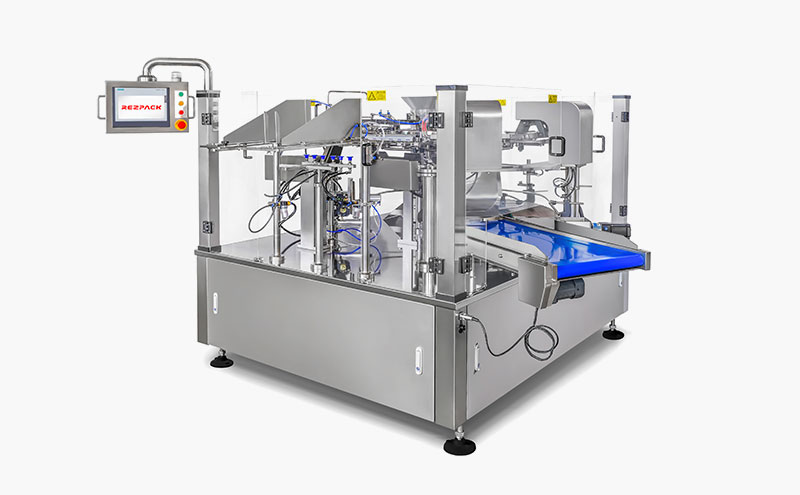
| Bag Width Range | 270-400 mm | Weight | 2500 kg |
| Bag Length Range | 150-600 mm | Total power | 3.62 kw |
| Filling Range | ≤ 5000g | Compress air | ≥ 0.4 m³/min |
| Max Speed | ≤ 30 bags/min | Dimensions | 2150 mm*2020 mm*1700 mm |